Cat Teeth and Dental Health: Signs of Problems to Watch
Cat Teeth and Dental Health: Signs of Problems to Watch. Discover practical facts, risks, and care considerations before you decide what to do next.
Cat Teeth and Dental Health: Signs of Problems to Watch
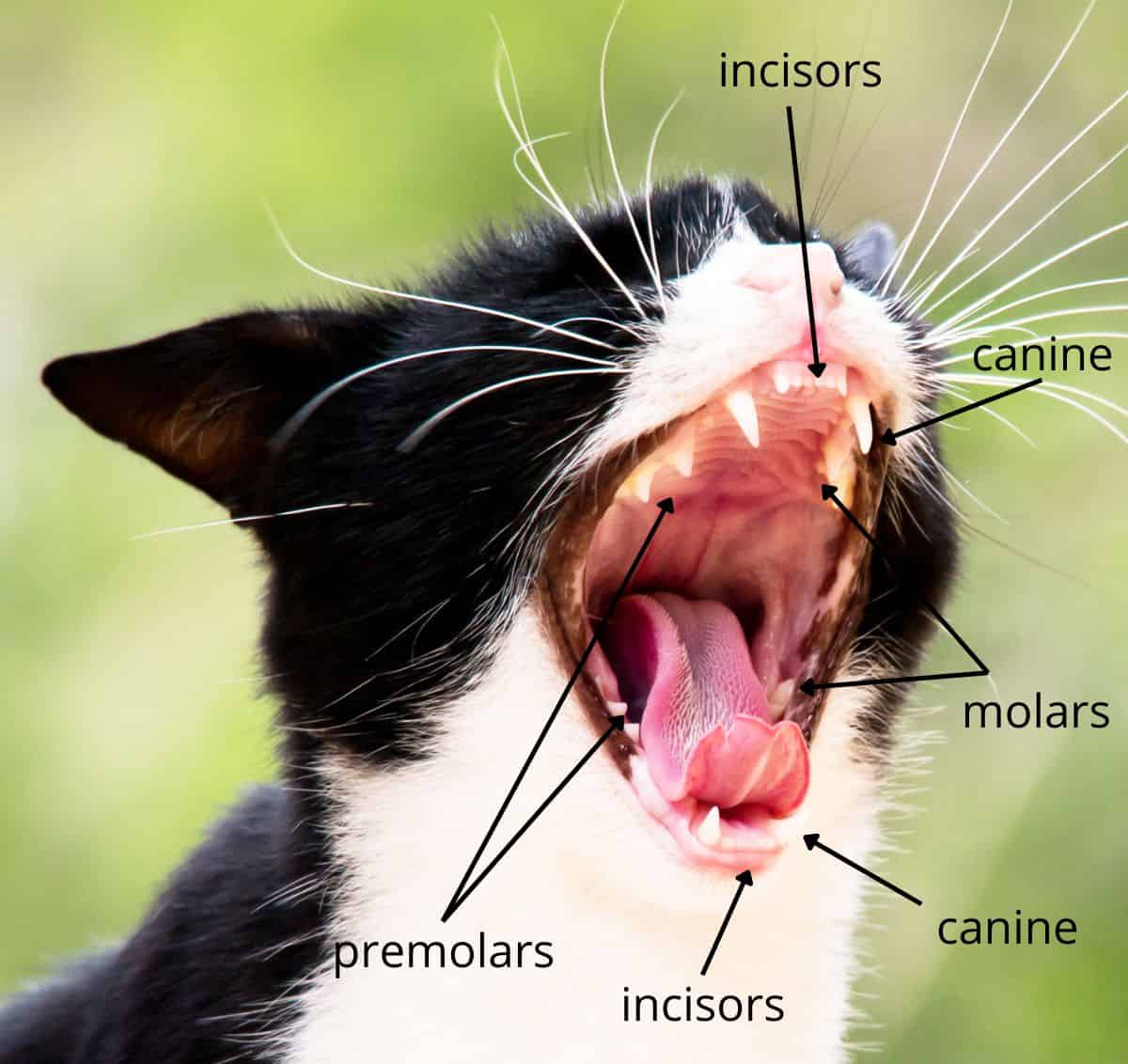
Adult cats normally have 30 permanent teeth and kittens have 26 baby teeth. Their teeth are adapted to gripping and tearing food, not chewing in the same way humans do. Cats can develop gingivitis, periodontal disease, fractured teeth, and painful tooth resorption even when they continue eating.
What the context tells you
Tartar is visible above the gumline, but much dental disease occurs below it. Warning signs include drooling, bad breath, dropping food, chewing oddly, and pawing at the mouth. Some cats show little outward discomfort despite significant disease.
Practical steps and everyday care
Ask your veterinarian about toothbrushing with feline toothpaste, appropriate dental products, and the timing of professional oral examinations. Introduce mouth handling slowly and never use human toothpaste. Do not scrape plaque with household tools or try to extract a tooth.
Pay attention to context and baseline behavior
Cats communicate through combinations of ear position, eyes, tail movement, posture, vocalization, and distance from people or other animals. A normally relaxed cat reacting differently may be responding to environmental changes or discomfort. Track when the change began, access to food and litter, medications, and any new plants or products. Quiet hiding does not necessarily mean a cat is comfortable; changes in eating, grooming, elimination, or activity are important.
A real-world example
A cat that prefers soft food, drops kibble, or chews on one side may have a painful tooth even if it does not cry out. Checking the gums during a calm moment is useful, but do not pry a resisting mouth open. Dental radiographs may reveal problems not visible on a routine glance, which is why home plaque cleaning has limits.
When to get veterinary advice
A veterinary dental exam may require anesthesia and dental radiographs to diagnose hidden problems. At-home brushing is preventive support, not a treatment for severe inflammation or tooth resorption.
A quick decision checklist
Check whether this differs from the cat’s usual behavior, eating, and litter routine.
Explain dental anatomy, plaque, gum disease and signs requiring a veterinary exam.
Note body language, appetite, litter habits, and changes in the home.
Seek qualified veterinary, extension, or species-specialist guidance before using medication or making major changes.
Frequently asked questions
What if the behavior or symptom starts suddenly?
A sudden departure from the cat's normal pattern deserves closer attention. If appetite, breathing, elimination, mobility, or alertness is affected, contact a veterinarian promptly. Never use human medications or essential oils as a substitute for a diagnosis.
How do I know this advice fits my cat?
Compare the change with your cat’s normal eating, activity, litter, grooming, and body language. A sudden or persistent departure from baseline deserves professional advice.
Related reading
Reliable resources for further checking
Editorial status: draft. Check current professional guidance and local rules before publication; urgent symptoms require appropriate veterinary help.
