Hiring a Local Catio Builder: Questions and Checks
Learn how to compare catio contractors, discuss materials, ask for site inspections and review quotes without relying on unverified listings.
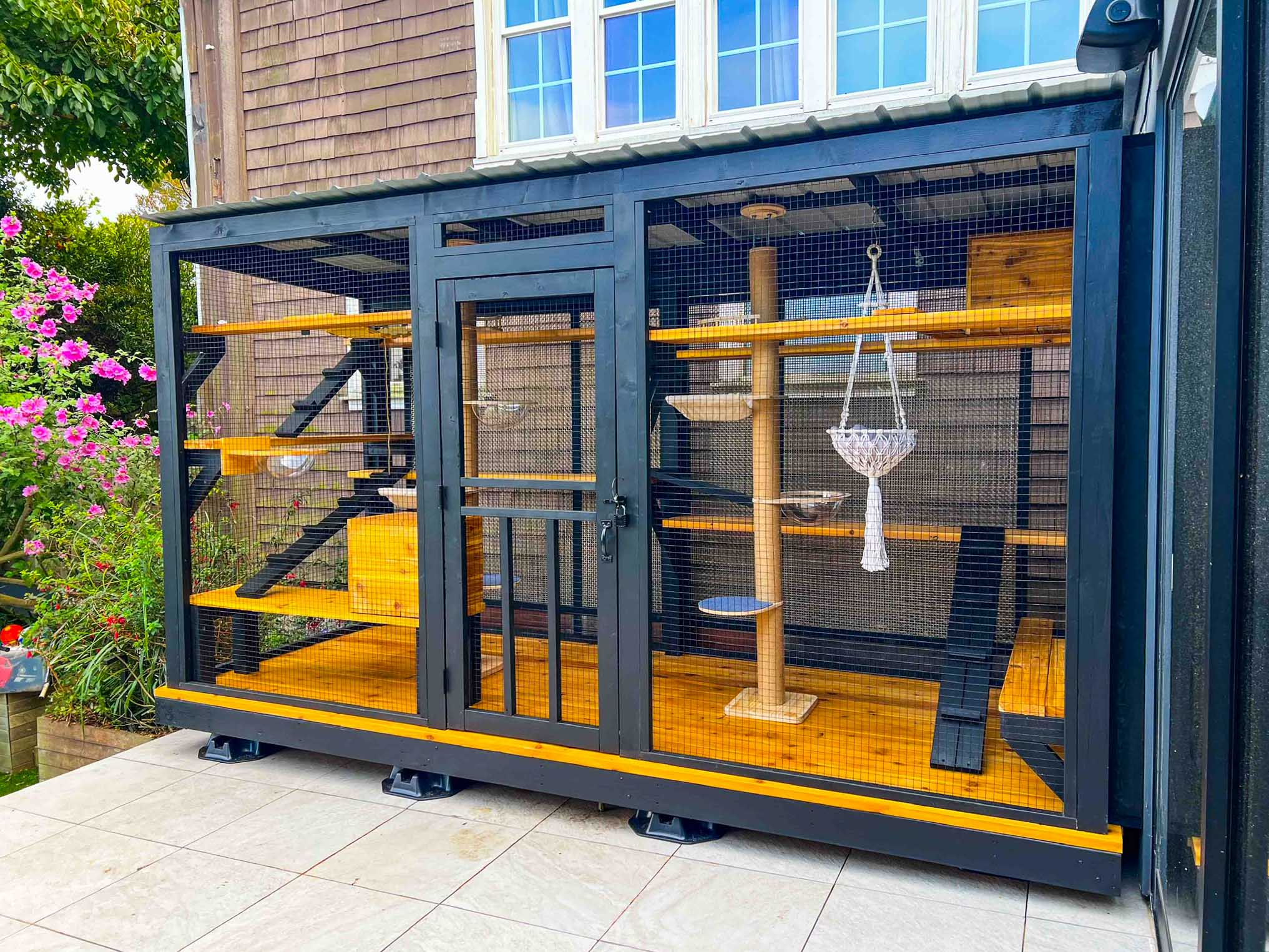
Searching for local catio builders is a service-hiring task, not just a hunt for attractive project photos. An installer may be an experienced catio specialist, a carpenter who understands animal containment, or a contractor coordinating several trades. What matters is whether the proposed structure is safe for your cat, suitable for local weather, and clearly described in a written scope. Do not assume a builder's marketing photos prove that every hinge, anchor, and roof detail is suitable for your home.
Prepare a useful request for an estimate Take basic measurements and photographs of the proposed area. Explain how many cats will use the enclosure, whether any have mobility limits, and whether a person needs to walk inside. Note existing windows, doorways, gutters, utilities, and grade changes. Tell the contractor whether you are considering a window box, an attached patio enclosure, or a freestanding run.
Write down your priorities before contacting builders. For example, your first priority might be a secure connection to an existing cat door, followed by weather resistance and washable surfaces. A detailed request makes competing bids easier to compare because each builder is pricing a similar result.
Ask for proof of relevant work Request photographs of completed installations showing not only the finished appearance but door hardware, roof edges, wall connections, and foundation details. Ask what problems the builder has encountered with cats escaping, mesh loosening, or snow and wind loads. A competent builder should explain design decisions and limits rather than simply assuring you that everything is pet-proof.
Verify business registration, insurance, and references where relevant. Ask whether the person giving the estimate will perform the work or subcontract it. For an attachment that alters a house exterior, discuss water intrusion and the possibility that additional qualified trades are needed.
Compare designs, not just the bottom line A written quote should describe the footprint, materials, mesh type, gates, roof, anchoring method, access doors, and cleanup. Distinguish included work from owner-supplied items such as cat flaps, platforms, electrical service, or landscape changes. If a bid is less expensive because it excludes weatherproofing or secure ground edges, it may not be the better value.
Ask for a simple drawing or marked-up site photo and a process for approving changes. Avoid relying on a single vague line such as 'build custom outdoor enclosure.' Discuss warranties in terms of actual covered components and the maintenance expected of the owner.
Check site requirements before signing Permits, homeowners association rules, rental restrictions, and setback requirements vary. A builder should not promise that approvals are never needed. Where an enclosure involves structural attachment, elevated decks, significant roofing loads, or nearby electrical wiring, ask how those issues will be evaluated by appropriately qualified people.
Plan for safe access while work is underway. Cats should remain indoors and away from open doors, tools, mesh offcuts, and curing finishes. Arrange how the builder will protect pets and control access to the work area.
Walk through the finished enclosure together Before payment is finalized, inspect the roof, lower perimeter, screws, cut wire ends, door swing, and latches. Open and close every access point yourself. Confirm that a person can reach corners for cleaning and that your cat has stable, appropriately spaced climbing surfaces. Ask for any maintenance schedule and product information needed for replacement parts.
If the scope starts to resemble a self-build project instead, review catio plans and measured layouts and the construction and inspection sequence. For the larger decision between a kit, a ready-built enclosure, and custom work, return to the catio overview. A professional installer should reduce uncertainty, not leave you guessing how the structure works.