Cockatiel Food: Balanced Diet and Common Feeding Mistakes
Cockatiel Food: Balanced Diet and Common Feeding Mistakes. Discover practical facts, risks, and care considerations before you decide what to do next.
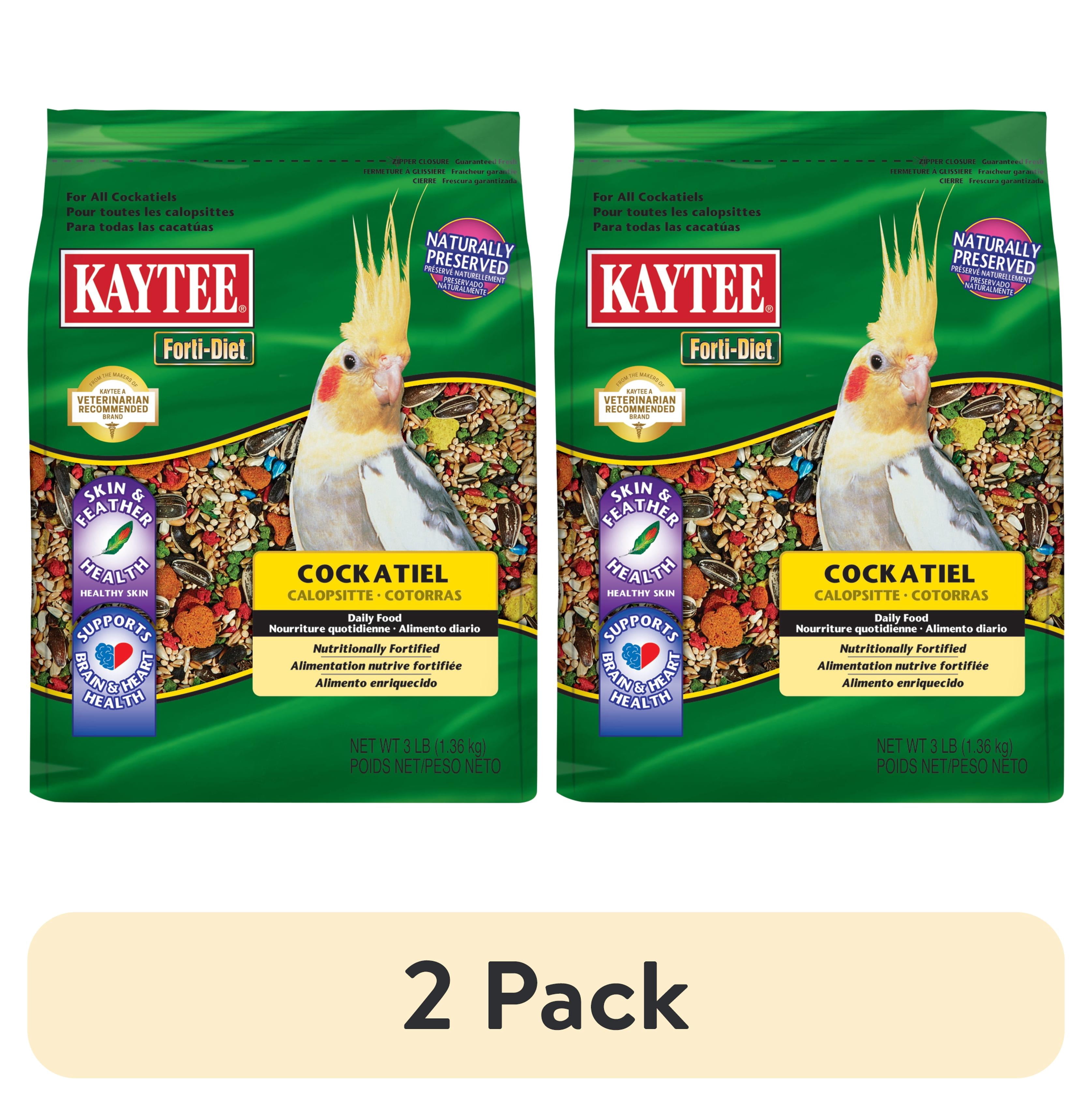
Cockatiel Food: Balanced Diet and Common Feeding Mistakes
Cockatiels need a balanced diet, not an unlimited bowl of seed. Many avian care plans use an appropriate formulated pellet as a base alongside safe vegetables and modest amounts of selected seed. Individual transition needs and any medical conditions should be discussed with an avian veterinarian.
What the context tells you
Seeds are energy-dense, and an all-seed diet can contribute to nutrient imbalances. Fresh foods spoil quickly in cages, so hygiene matters. Onion, avocado, chocolate, alcohol, and caffeinated drinks should not be offered to birds. Owners should verify a food is bird-safe before experimenting.
Practical steps and everyday care
Introduce diet changes gradually while monitoring intake and body weight; a bird that refuses new pellets must not be allowed to starve. Provide fresh water, varied appropriate textures, and foraging opportunities. Remove leftovers and clean bowls daily.
Daily welfare goes beyond the cage
Bird care includes fresh water, a nutritionally suitable diet, opportunities for safe movement, foraging, calm social contact, and uninterrupted rest. Household smoke, overheated nonstick cookware, aerosols, and unsafe metals can pose serious hazards. Because pet birds often mask illness, subtle changes in droppings, appetite, posture, or weight can be more informative than dramatic outward symptoms. Establish an avian veterinary relationship while the bird is well.
A real-world example
A cockatiel that recognizes only seed may reject pellets at first. An abrupt switch can be dangerous if it leads to too little intake. Make changes gradually with an avian veterinarian's advice and monitor weight and droppings rather than assuming a full-looking food bowl proves the bird is eating enough.
Welfare and avian health alerts
Sudden weight loss, refusal to eat, abnormal droppings, or weakness is urgent in a small bird. Treat online feeding charts as discussion starters, not substitute prescriptions for a sick or breeding bird.
A quick decision checklist
Check the bird’s normal eating, droppings, energy, and housing conditions.
Explain pellets, vegetables, measured seed and avoiding toxic foods.
Track eating, droppings, sleeping behavior, and any changes in vocalization or posture.
Seek qualified veterinary, extension, or species-specialist guidance before using medication or making major changes.
Frequently asked questions
Can a small cage and a seed bowl be enough?
No. Species-appropriate flight or climbing space, balanced nutrition, daily enrichment, sleep, sanitation, and veterinary oversight are basic responsibilities even for small birds.
What changes suggest a bird may be unwell?
Reduced appetite, changed droppings, breathing effort, unusual fluffed posture, or reluctance to perch merits prompt contact with an avian veterinarian.
Related reading
Reliable resources for further checking
Editorial status: draft. Check current professional guidance and local rules before publication; urgent symptoms require appropriate veterinary help.
