Do Pet Birds Sleep? Night Routines and Sleep Needs
Do Pet Birds Sleep Night Routines and Sleep Needs. Discover practical facts, risks, and care considerations before you decide what to do next.
Do Pet Birds Sleep? Night Routines and Sleep Needs
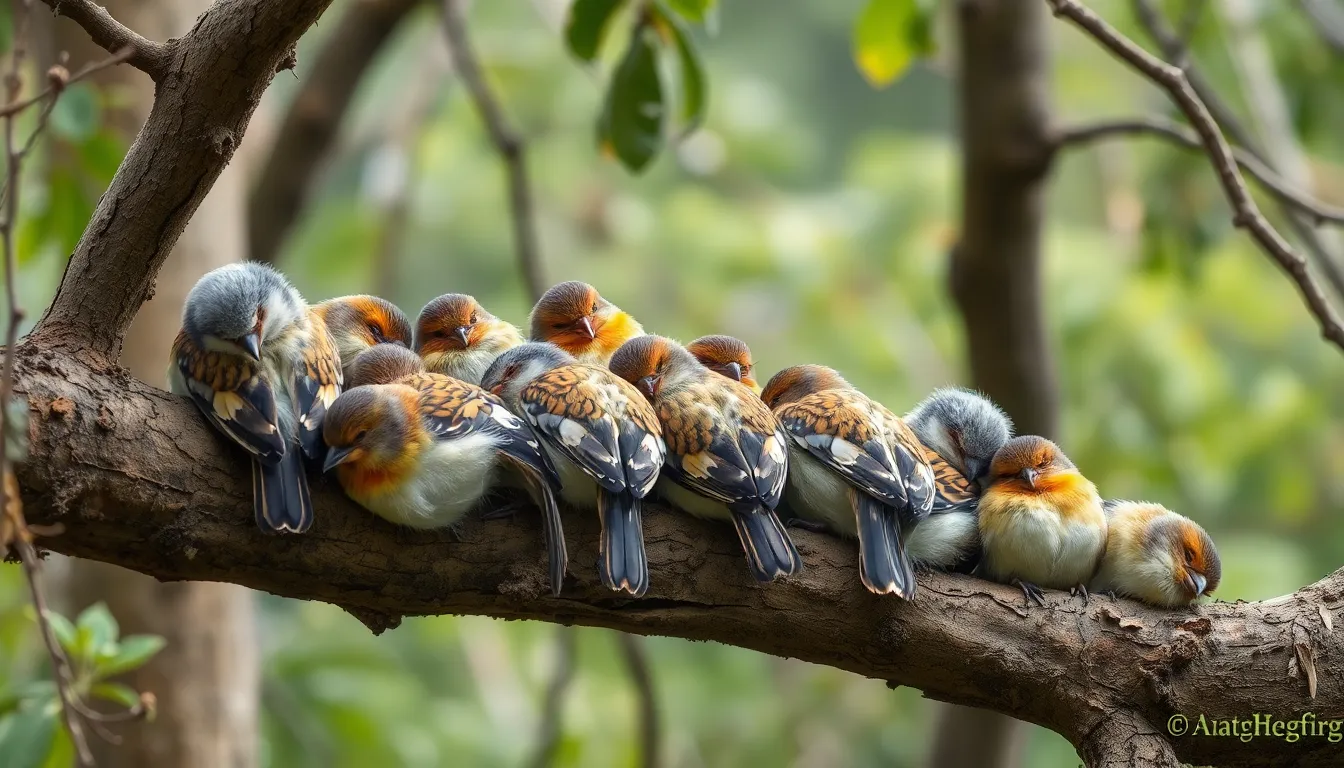
Birds sleep, but their sleep patterns and preferred perches vary across species. Many pet birds need a dependable dark, quiet interval at night and opportunities to rest without repeated disturbance. A bird with eyes closed during daylight might be napping—or might be sick if other signs are present.
What the context tells you
Light leaking from televisions, nighttime conversations, constant activity, and irregular schedules can interfere with rest. Safe sleeping arrangements also depend on avoiding smoke, cooking fumes, drafts, and sudden scares. Birds often hide early signs of illness, so the rest of the behavior matters.
Practical steps and everyday care
Offer a stable light-dark routine suited to the species and a secure comfortable perch. Watch for normal morning activity, vocalization, and appetite. If using a cage cover, ensure ventilation and check that it does not create an unsafe environment.
Daily welfare goes beyond the cage
Bird care includes fresh water, a nutritionally suitable diet, opportunities for safe movement, foraging, calm social contact, and uninterrupted rest. Household smoke, overheated nonstick cookware, aerosols, and unsafe metals can pose serious hazards. Because pet birds often mask illness, subtle changes in droppings, appetite, posture, or weight can be more informative than dramatic outward symptoms. Establish an avian veterinary relationship while the bird is well.
A real-world example
A bird that dozes briefly during a sunny afternoon may be normal, while one that stays fluffed up on the cage floor and skips meals is concerning. Good nighttime conditions support health but do not cure illness. Learn the bird's normal morning activity and droppings so sudden changes are easy to spot.
Welfare and avian health alerts
Prolonged fluffed posture, sleeping on the cage floor, difficulty perching, or reduced eating needs prompt avian veterinary assessment. More sleep is not automatically the answer to an ill bird.
A quick decision checklist
Check the bird’s normal eating, droppings, energy, and housing conditions.
Describe uninterrupted sleep needs, lighting and signs of disturbed rest.
Track eating, droppings, sleeping behavior, and any changes in vocalization or posture.
Seek qualified veterinary, extension, or species-specialist guidance before using medication or making major changes.
Frequently asked questions
Can a small cage and a seed bowl be enough?
No. Species-appropriate flight or climbing space, balanced nutrition, daily enrichment, sleep, sanitation, and veterinary oversight are basic responsibilities even for small birds.
What changes suggest a bird may be unwell?
Reduced appetite, changed droppings, breathing effort, unusual fluffed posture, or reluctance to perch merits prompt contact with an avian veterinarian.
Related reading
Reliable resources for further checking
Editorial status: draft. Check current professional guidance and local rules before publication; urgent symptoms require appropriate veterinary help.
