Do Dogs Get Periods? Understanding the Heat Cycle
Do Dogs Get Periods Understanding the Heat Cycle. Discover practical facts, risks, and care considerations before you decide what to do next.
Do Dogs Get Periods? Understanding the Heat Cycle
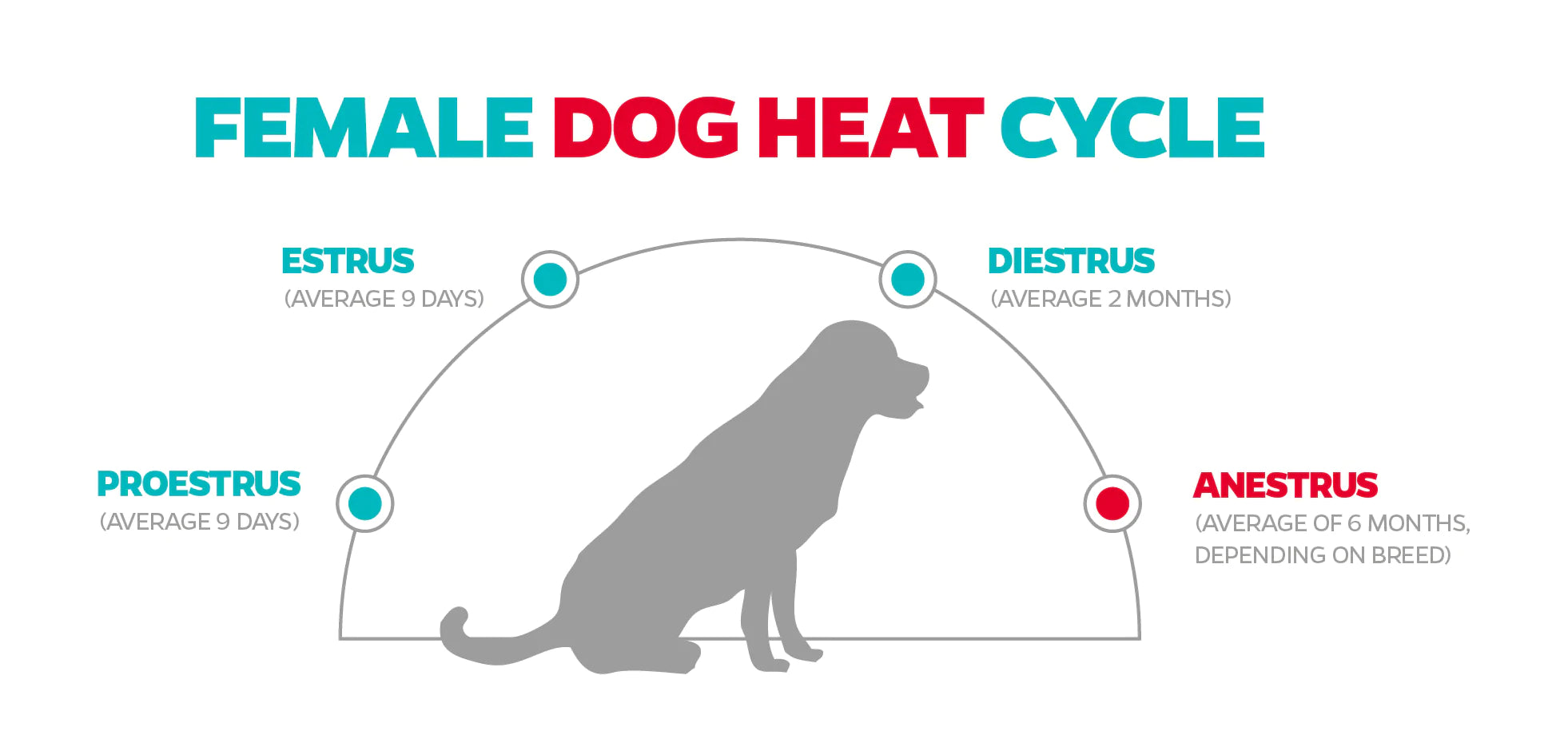
Female dogs do not menstruate in the human sense. An unspayed dog instead has an estrous, or heat, cycle, during which vaginal spotting or bloody discharge can occur. The frequency and duration vary with the individual, breed, age, and health; a calendar estimate should not be treated as a guarantee.
What the context tells you
Other heat signs can include vulvar swelling, changes in behavior, and greater interest from male dogs. Blood spotting does not establish that a dog can or cannot become pregnant on a particular day. Pregnancy prevention requires secure separation from intact males and a veterinary discussion about spaying.
Practical steps and everyday care
Note the start and appearance of discharge, appetite, drinking, activity, and whether the dog has been spayed. Use washable protection for housekeeping if needed, but it is not contraception. Maintain leash control and secure fences during heat.
How to evaluate a change without jumping to conclusions
A change in a dog's behavior deserves a simple timeline: when it started, how often it occurs, what happened before it, and whether appetite, drinking, stool, walking, or energy changed at the same time. Pictures or a short video can be more helpful to a veterinary team than trying to assign a diagnosis from a single sign. Age, medications, recent travel, and exposures may also affect the interpretation. When symptoms are getting worse, don't delay care to finish collecting observations.
A real-world example
An owner may see spotting on the floor and assume it is ordinary heat. In an intact adult female, note how long it lasts and whether thirst, appetite, odor, or activity change. A dog that is lethargic, vomiting, and drinking excessively needs urgent medical attention rather than a diaper and waiting. The distinction matters because reproductive disorders can deteriorate quickly.
When to get veterinary advice
Foul discharge, weakness, fever, vomiting, abdominal enlargement, or increased thirst in an intact female can indicate a serious uterine infection such as pyometra and needs urgent veterinary care. Bleeding in a spayed dog also warrants investigation.
A quick decision checklist
Check the dog’s age, current medications, recent exposures, and overall condition.
Clarify the estrous cycle versus human menstruation and when discharge needs vet care.
Record symptoms, timing, appetite, stool, activity, and any exposure that could help a veterinarian.
Seek qualified veterinary, extension, or species-specialist guidance before using medication or making major changes.
Frequently asked questions
Is this always an emergency?
Not every isolated behavior or mild sign requires emergency care. Sudden severe pain, collapse, trouble breathing, repeated unsuccessful vomiting, or rapid deterioration does. A veterinarian can help decide how quickly an otherwise stable dog should be examined.
What information is useful at a veterinary appointment?
Bring a timeline, photographs or video if possible, a list of medications and foods, and details of any exposures. Those facts can help the veterinarian interpret signs in context.
Related reading
Reliable resources for further checking
Editorial status: draft. Check current professional guidance and local rules before publication; urgent symptoms require appropriate veterinary help.
