Why Do Dogs Eat Grass? Common Causes and When to Worry
Why Do Dogs Eat Grass Common Causes and When to Worry. Discover practical facts, risks, and care considerations before you decide what to do next.
Why Do Dogs Eat Grass? Common Causes and When to Worry
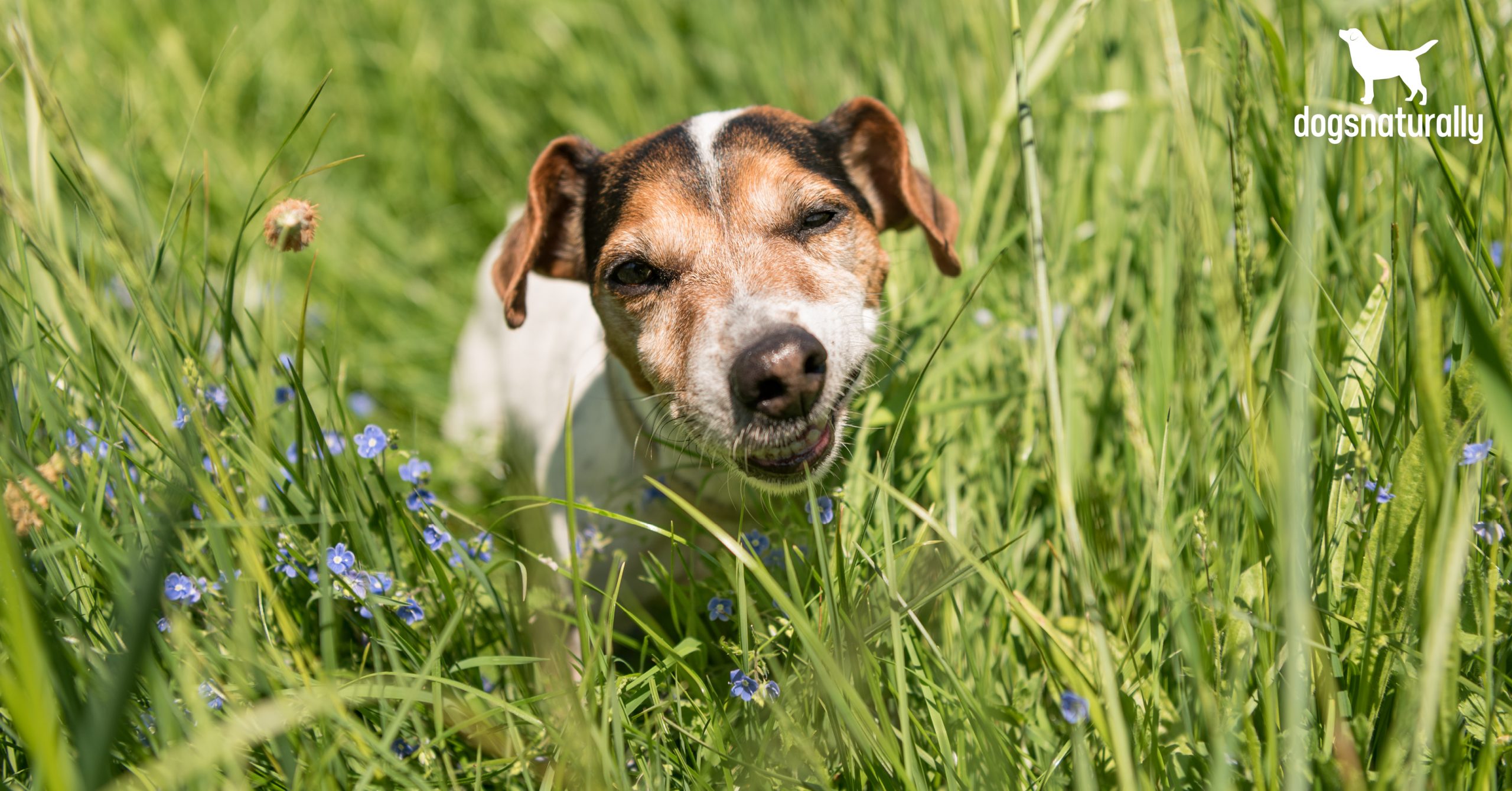
Grass eating is common and does not, by itself, prove a dog is ill or trying to vomit. Some dogs seem to enjoy the texture or taste; others graze while exploring outside. A single episode in an otherwise lively dog is different from repeated frantic eating accompanied by retching, lethargy, or abdominal pain. Look at the whole animal, not just the behavior.
What the context tells you
Eating vegetation may be part of normal foraging, but lawn fertilizer, herbicides, pesticides, parasites, and sharp seed heads introduce avoidable hazards. Sudden changes in appetite, stool, or energy deserve attention. A dog that cannot keep water down or has a swollen painful abdomen needs prompt veterinary assessment rather than a home remedy.
Practical steps and everyday care
Keep a short record of when grazing happens, the location, meals, vomiting, and stool changes. Interrupt access to chemically treated lawns and offer walks or enrichment on safe ground. Do not assume grass supplies a missing nutrient or deliberately encourage vomiting.
How to evaluate a change without jumping to conclusions
A change in a dog's behavior deserves a simple timeline: when it started, how often it occurs, what happened before it, and whether appetite, drinking, stool, walking, or energy changed at the same time. Pictures or a short video can be more helpful to a veterinary team than trying to assign a diagnosis from a single sign. Age, medications, recent travel, and exposures may also affect the interpretation. When symptoms are getting worse, don't delay care to finish collecting observations.
A real-world example
For example, a dog that nibbles a few untreated blades during a relaxed walk and then eats dinner normally is different from a dog that repeatedly raids the yard, retches, and refuses food. The first pattern may call for observation and environmental checks; the second needs a veterinary conversation. Keeping the distinction in mind prevents both overreaction and dismissal of meaningful symptoms.
When to get veterinary advice
An occasional bite of grass is usually less informative than the context: is the dog playful, eating normally, and passing normal stools? Persistent symptoms, toxin exposure, or an abrupt new pattern changes that assessment. Ask your veterinarian about diet or gastrointestinal concerns rather than guessing a supplement.
A quick decision checklist
Check the dog’s age, current medications, recent exposures, and overall condition.
Distinguish normal grazing and boredom from a repeated behavior accompanied by vomiting or distress.
Record symptoms, timing, appetite, stool, activity, and any exposure that could help a veterinarian.
Seek qualified veterinary, extension, or species-specialist guidance before using medication or making major changes.
Frequently asked questions
Is this always an emergency?
Not every isolated behavior or mild sign requires emergency care. Sudden severe pain, collapse, trouble breathing, repeated unsuccessful vomiting, or rapid deterioration does. A veterinarian can help decide how quickly an otherwise stable dog should be examined.
What information is useful at a veterinary appointment?
Bring a timeline, photographs or video if possible, a list of medications and foods, and details of any exposures. Those facts can help the veterinarian interpret signs in context.
Related reading
Reliable resources for further checking
Editorial status: draft. Check current professional guidance and local rules before publication; urgent symptoms require appropriate veterinary help.
