Why Do Dogs Eat Poop? Causes and Prevention
Why Do Dogs Eat Poop Causes and Prevention. Discover practical facts, risks, and care considerations before you decide what to do next.
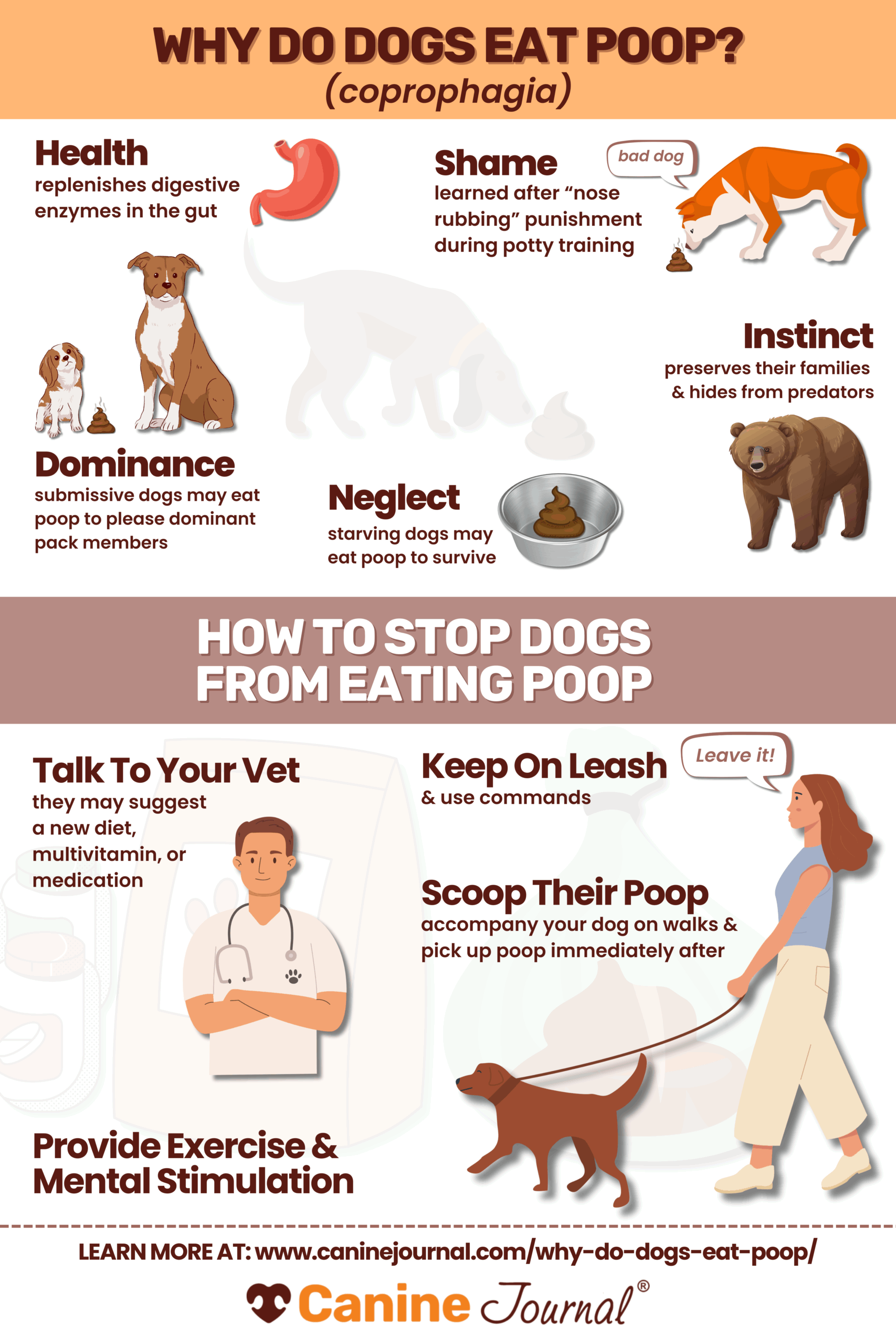
Why Do Dogs Eat Poop? Causes and Prevention
Stool eating, called coprophagia, has more than one possible explanation. Puppies may investigate their environment, and some dogs repeat a behavior that has been inadvertently reinforced. It is not reliable evidence of a vitamin deficiency. A sudden new habit, especially with hunger or weight loss, merits a medical conversation.
What the context tells you
The largest practical risks come from contact with intestinal parasites, bacteria, and medications present in other animals' feces. Access to cat litter or outdoor droppings can add hazards. Shouting or chasing a dog may turn the problem into a game or make the dog hide the behavior.
Practical steps and everyday care
Pick up feces promptly, supervise outdoor time, teach a cheerful leave-it cue, and reward moving away from stool. Review meal timing, enrichment, and food security. If the dog eats feces in a household with multiple animals, improve cleanup and separation before trying commercial deterrent products.
How to evaluate a change without jumping to conclusions
A change in a dog's behavior deserves a simple timeline: when it started, how often it occurs, what happened before it, and whether appetite, drinking, stool, walking, or energy changed at the same time. Pictures or a short video can be more helpful to a veterinary team than trying to assign a diagnosis from a single sign. Age, medications, recent travel, and exposures may also affect the interpretation. When symptoms are getting worse, don't delay care to finish collecting observations.
A real-world example
Suppose a young dog is let into the yard immediately after another pet has defecated. That routine supplies both access and an opportunity to practice the habit. Picking up waste before the dog goes out, reinforcing recall, and changing the sequence often does more than searching for a magic additive. If appetite and stool are abnormal too, raise that separate concern with the veterinarian.
When to get veterinary advice
Persistent coprophagia alongside loose stool, increased appetite, thirst, or weight change warrants a veterinary exam and possibly a fecal check. Never use punishment, chili powder, or unproven additives as substitutes for management. Prevention is easier when dogs cannot rehearse the habit.
A quick decision checklist
Check the dog’s age, current medications, recent exposures, and overall condition.
Explain coprophagia, diet misconceptions, cleanup and management without unproven supplements.
Record symptoms, timing, appetite, stool, activity, and any exposure that could help a veterinarian.
Seek qualified veterinary, extension, or species-specialist guidance before using medication or making major changes.
Frequently asked questions
Is this always an emergency?
Not every isolated behavior or mild sign requires emergency care. Sudden severe pain, collapse, trouble breathing, repeated unsuccessful vomiting, or rapid deterioration does. A veterinarian can help decide how quickly an otherwise stable dog should be examined.
What information is useful at a veterinary appointment?
Bring a timeline, photographs or video if possible, a list of medications and foods, and details of any exposures. Those facts can help the veterinarian interpret signs in context.
Related reading
Reliable resources for further checking
Editorial status: draft. Check current professional guidance and local rules before publication; urgent symptoms require appropriate veterinary help.
