Puppy Vaccine Schedule: What Owners Should Discuss With a Vet
Puppy Vaccine Schedule: What Owners Should Discuss With a Vet. Discover practical facts, risks, and care considerations before you decide what to do next.
Puppy Vaccine Schedule: What Owners Should Discuss With a Vet
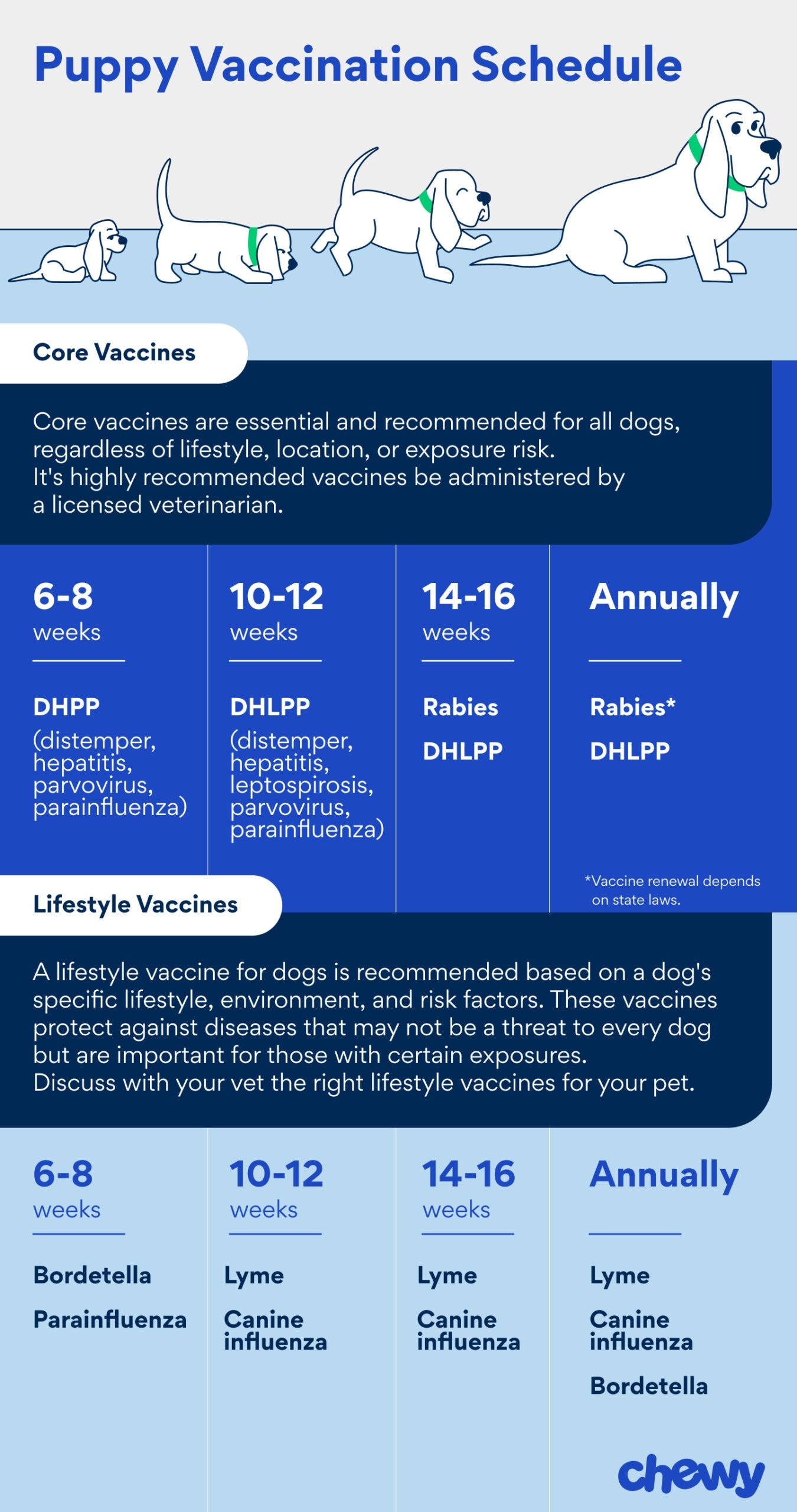
Puppy vaccination is a series rather than one appointment because maternally derived antibodies can interfere with early vaccine responses. Common core protection includes distemper, adenovirus, and parvovirus; rabies timing is governed by law and veterinary guidance. The exact plan depends on age, health, product, region, and exposure risk.
What the context tells you
AAHA guidance commonly places the initial distemper-adenovirus-parvovirus combination between roughly 6 and 16 weeks of age, with repeat doses spaced a few weeks apart and a final puppy dose at or beyond 16 weeks. High-risk situations may change the timeline. Leptospirosis, rabies, and lifestyle-based vaccines need individual planning.
Practical steps and everyday care
Bring acquisition or shelter records to the clinic, confirm which antigens were given, and request dates for the next visit in writing. Ask how to socialize safely before the puppy series is complete; total isolation can create behavioral costs, but crowded unvaccinated-dog areas add infectious risk.
How to evaluate a change without jumping to conclusions
A change in a dog's behavior deserves a simple timeline: when it started, how often it occurs, what happened before it, and whether appetite, drinking, stool, walking, or energy changed at the same time. Pictures or a short video can be more helpful to a veterinary team than trying to assign a diagnosis from a single sign. Age, medications, recent travel, and exposures may also affect the interpretation. When symptoms are getting worse, don't delay care to finish collecting observations.
A real-world example
A puppy adopted at ten weeks may arrive with one handwritten vaccine date and no product label. Rather than guessing whether that counts as complete protection, ask the clinic to interpret the record and build the next steps. Socialization can continue in thoughtfully controlled settings while avoiding high-risk exposure. The calendar should be customized for the individual puppy and jurisdiction.
When to get veterinary advice
Never restart, skip, or combine vaccines solely from an internet chart. Contact the clinic for missed doses or unexpected reactions. Trouble breathing, collapse, or facial swelling shortly after a vaccine warrants urgent care. Confirm your state and local rabies requirements with a veterinarian.
A quick decision checklist
Check the dog’s age, current medications, recent exposures, and overall condition.
Outline core-vaccine timing as veterinarian-dependent; do not invent universal requirements.
Record symptoms, timing, appetite, stool, activity, and any exposure that could help a veterinarian.
Seek qualified veterinary, extension, or species-specialist guidance before using medication or making major changes.
Frequently asked questions
Is this always an emergency?
Not every isolated behavior or mild sign requires emergency care. Sudden severe pain, collapse, trouble breathing, repeated unsuccessful vomiting, or rapid deterioration does. A veterinarian can help decide how quickly an otherwise stable dog should be examined.
What information is useful at a veterinary appointment?
Bring a timeline, photographs or video if possible, a list of medications and foods, and details of any exposures. Those facts can help the veterinarian interpret signs in context.
Related reading
Reliable resources for further checking
Editorial status: draft. Check current professional guidance and local rules before publication; urgent symptoms require appropriate veterinary help.
