Dog Ear Infection Signs, Causes and Veterinary Treatment
Dog Ear Infection Signs, Causes and Veterinary Treatment. Discover practical facts, risks, and care considerations before you decide what to do next.
Dog Ear Infection Signs, Causes and Veterinary Treatment
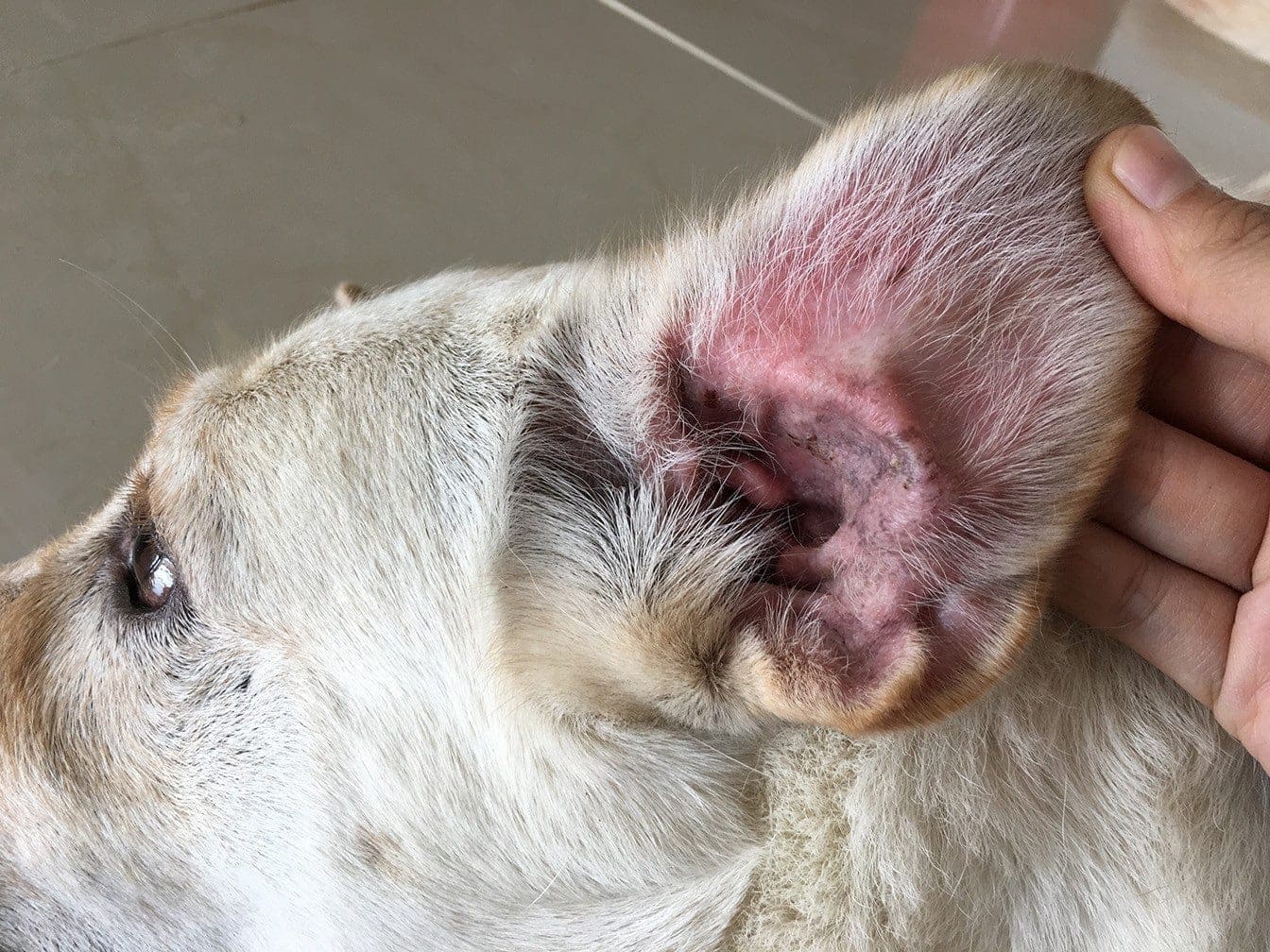
An inflamed canine ear may smell unusual, appear red, produce discharge, or prompt head shaking and scratching. Yeast, bacteria, mites, allergic skin disease, moisture, and anatomy can contribute; the outward signs overlap, so appearances alone do not reveal the cause. Recurrent infections often need a plan for the underlying trigger.
What the context tells you
An ear examination and a sample viewed under the microscope can guide treatment. A ruptured eardrum changes which products may be safe. Ear pain can be significant even if the dog allows brief handling; aggressive cleaning can worsen inflammation or push material deeper.
Practical steps and everyday care
Notice which ear is affected, whether there is odor or discharge, and when signs began. Keep ears dry after bathing, avoid inserting cotton swabs into the canal, and do not pour vinegar, alcohol, essential oils, or leftover medication into a painful ear.
How to evaluate a change without jumping to conclusions
A change in a dog's behavior deserves a simple timeline: when it started, how often it occurs, what happened before it, and whether appetite, drinking, stool, walking, or energy changed at the same time. Pictures or a short video can be more helpful to a veterinary team than trying to assign a diagnosis from a single sign. Age, medications, recent travel, and exposures may also affect the interpretation. When symptoms are getting worse, don't delay care to finish collecting observations.
A real-world example
If a dog shakes its head after a swim, the cause could be moisture, a foreign object, inflammation, or infection. A strong odor or painful response makes guessing particularly unwise. Taking a photo of discharge before the appointment may help, but trying to swab deep inside the ear could cause more pain and obscure what the veterinarian needs to see.
When to get veterinary advice
Head tilt, loss of balance, severe pain, facial weakness, swelling, or repeated infection warrants prompt veterinary evaluation. The right medication depends on the diagnosis; a home drop that helped one episode may be unsafe for a different problem.
A quick decision checklist
Check the dog’s age, current medications, recent exposures, and overall condition.
Explain signs and risks, and why home drops should not be used without diagnosis.
Record symptoms, timing, appetite, stool, activity, and any exposure that could help a veterinarian.
Seek qualified veterinary, extension, or species-specialist guidance before using medication or making major changes.
Frequently asked questions
Is this always an emergency?
Not every isolated behavior or mild sign requires emergency care. Sudden severe pain, collapse, trouble breathing, repeated unsuccessful vomiting, or rapid deterioration does. A veterinarian can help decide how quickly an otherwise stable dog should be examined.
What information is useful at a veterinary appointment?
Bring a timeline, photographs or video if possible, a list of medications and foods, and details of any exposures. Those facts can help the veterinarian interpret signs in context.
Related reading
Reliable resources for further checking
Editorial status: draft. Check current professional guidance and local rules before publication; urgent symptoms require appropriate veterinary help.
