How Many Teeth Do Dogs Have? Puppy and Adult Dental Guide
How Many Teeth Do Dogs Have Puppy and Adult Dental Guide. Discover practical facts, risks, and care considerations before you decide what to do next.
How Many Teeth Do Dogs Have? Puppy and Adult Dental Guide
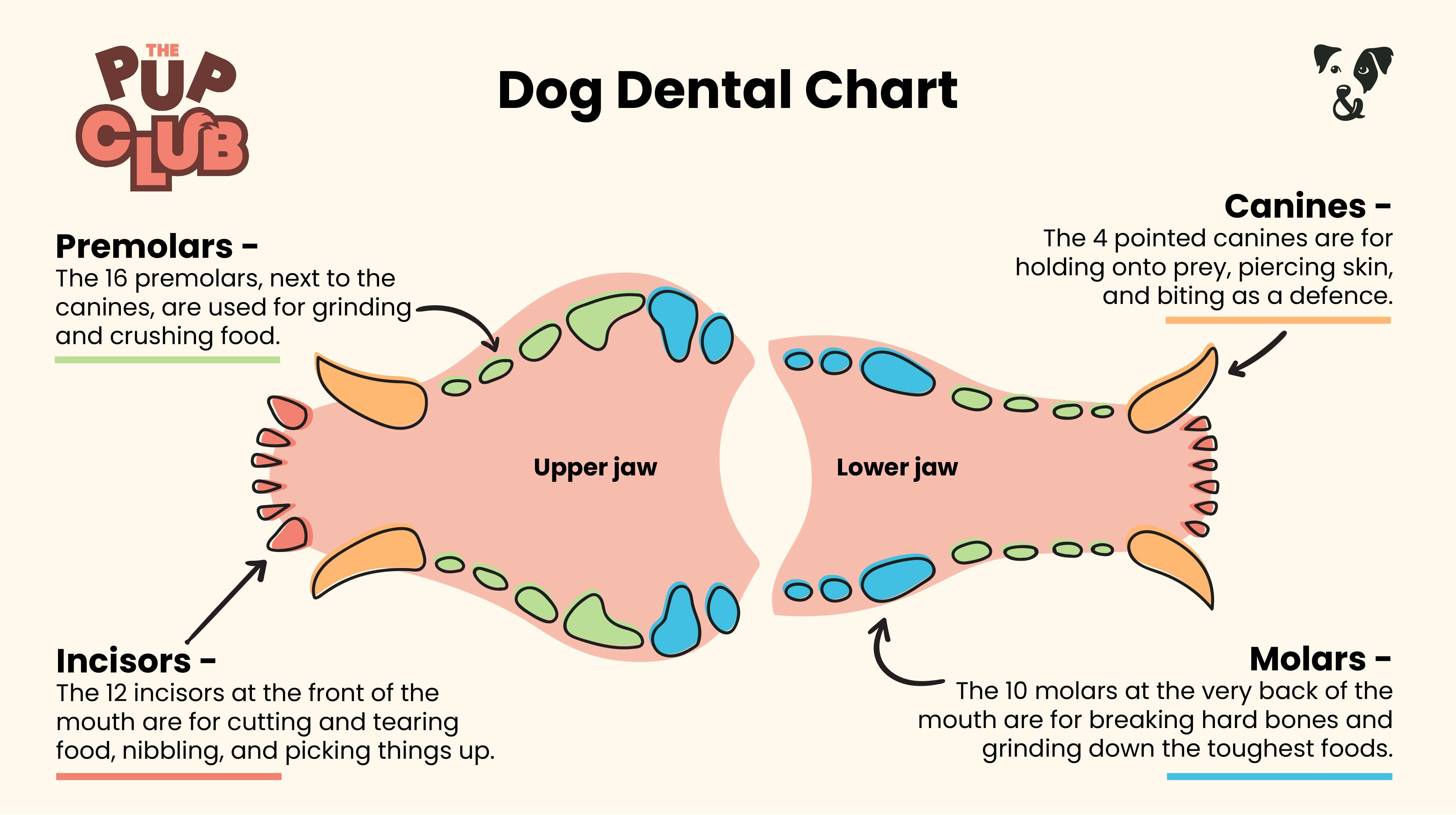
A typical adult dog has 42 permanent teeth, while a puppy has 28 deciduous, or baby, teeth. Adult teeth include incisors for nibbling, canine teeth for gripping, premolars for shearing, and molars for crushing. Tooth counts vary when teeth are missing, retained, damaged, or never develop normally.
What the context tells you
Puppy teeth usually begin erupting within the first weeks of life, and adult teeth replace them over the following months. The transition can involve chewing, mild gum sensitivity, and a strong desire to mouth objects. An adult tooth erupting while a baby tooth remains in place can crowd the mouth, especially in smaller breeds.
Practical steps and everyday care
Brush with pet-safe toothpaste, introduce mouth handling gradually, and use appropriately sized chew products that are not rock-hard. Lift the lip to check for tartar, broken teeth, redness, or a persistent baby canine. Do not use human toothpaste or force a painful mouth open.
How to evaluate a change without jumping to conclusions
A change in a dog's behavior deserves a simple timeline: when it started, how often it occurs, what happened before it, and whether appetite, drinking, stool, walking, or energy changed at the same time. Pictures or a short video can be more helpful to a veterinary team than trying to assign a diagnosis from a single sign. Age, medications, recent travel, and exposures may also affect the interpretation. When symptoms are getting worse, don't delay care to finish collecting observations.
A real-world example
A small-breed puppy might show two canine teeth crowded side by side during the transition to permanent teeth. That deserves a veterinary look rather than home extraction. In an older dog, teeth that are all present may still be painful because a tooth root or gum problem is hidden. Counting teeth is a useful starting point, not a complete dental examination.
When to get veterinary advice
Bad breath, drooling, pawing at the face, food dropping, or reluctance to chew can signal oral disease even if a dog still eats. A professional dental examination is the way to evaluate problems below the gumline; brushing helps prevent plaque but does not repair established damage.
A quick decision checklist
Check the dog’s age, current medications, recent exposures, and overall condition.
Compare deciduous and adult teeth, eruption timelines and professional dental care.
Record symptoms, timing, appetite, stool, activity, and any exposure that could help a veterinarian.
Seek qualified veterinary, extension, or species-specialist guidance before using medication or making major changes.
Frequently asked questions
Is this always an emergency?
Not every isolated behavior or mild sign requires emergency care. Sudden severe pain, collapse, trouble breathing, repeated unsuccessful vomiting, or rapid deterioration does. A veterinarian can help decide how quickly an otherwise stable dog should be examined.
What information is useful at a veterinary appointment?
Bring a timeline, photographs or video if possible, a list of medications and foods, and details of any exposures. Those facts can help the veterinarian interpret signs in context.
Related reading
Reliable resources for further checking
Editorial status: draft. Check current professional guidance and local rules before publication; urgent symptoms require appropriate veterinary help.
