Do Fish Sleep? Resting Behavior in Aquarium Species
Do Fish Sleep Resting Behavior in Aquarium Species. Discover practical facts, risks, and care considerations before you decide what to do next.
Do Fish Sleep? Resting Behavior in Aquarium Species
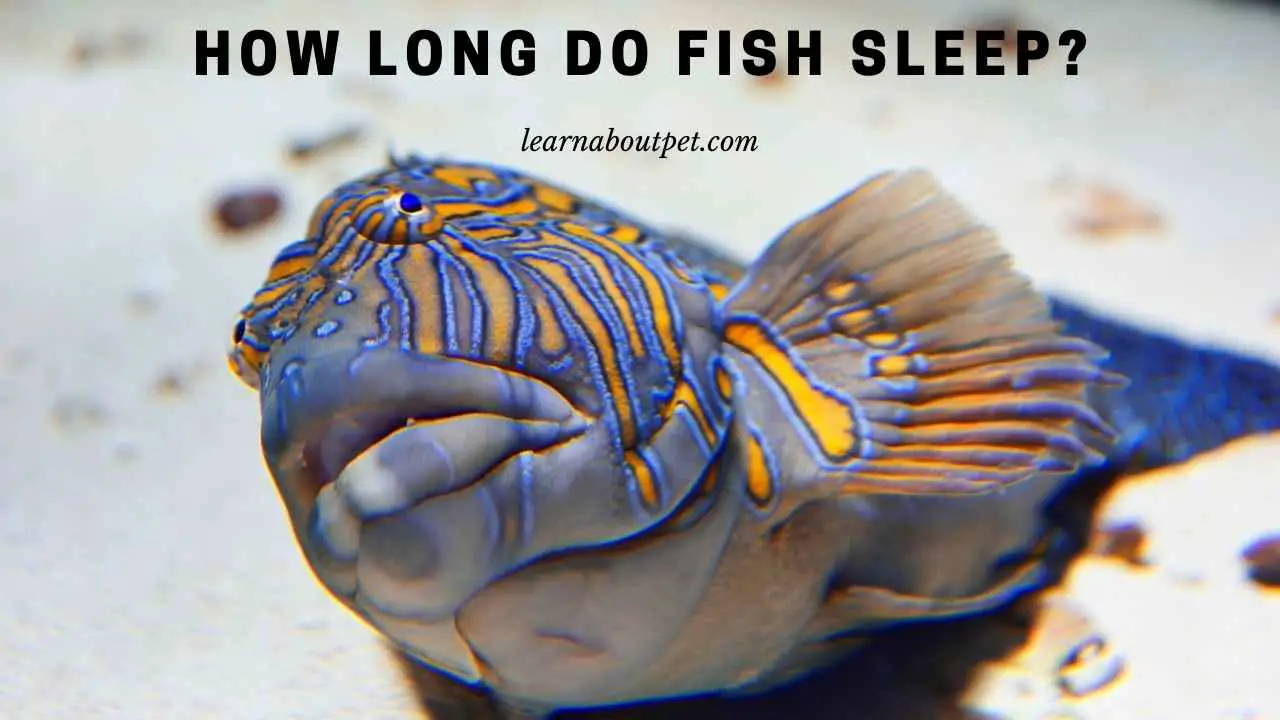
Fish do rest, although many do not close their eyes because most lack eyelids like ours. Rest may appear as reduced movement, lower responsiveness, or sheltering in a familiar place. The pattern varies among species: some settle at night, while others become less active during daylight.
What the context tells you
Fish still need an appropriate day-night rhythm. Strong lights left on around the clock can interfere with normal behavior and encourage unwanted algae growth. A fish lying unusually on its side, gasping at the surface, or isolating may be sick rather than simply asleep.
Practical steps and everyday care
Set a consistent photoperiod appropriate to plants and fish and provide shaded retreats. Observe the normal rest position and timing for your particular species, ideally without startling it. Distinguish normal low activity from new losses of balance or appetite.
Check the system before changing the livestock
Fish and invertebrates live continuously in the water conditions their keepers create. Ammonia and nitrite should not be assumed safe simply because water is clear. Before changing stocking, food, pH, or equipment, confirm that the filter is established and that temperature and chemistry suit the exact species. Small, measured changes are easier to evaluate than several interventions at once, especially in a mature community tank.
A real-world example
A fish that settles motionless among plants at the same time every evening may be resting. One that suddenly lies on the bottom, breathes rapidly, and refuses food during the day needs water testing and medical consideration. Regular observation of the species' normal rhythm makes this distinction easier.
Avoiding preventable tank problems
Abrupt lethargy, heavy breathing, clamped fins, or unusual floating calls for water testing and possibly aquatic veterinary care. Do not treat all motionless fish as sleeping.
A quick decision checklist
Verify the species and test actual aquarium water before changing the setup.
Explain rest patterns, species differences and misleading assumptions about eyelids.
Write down ammonia, nitrite, temperature, and other species-relevant test readings.
Seek qualified veterinary, extension, or species-specialist guidance before using medication or making major changes.
Frequently asked questions
Can I fix this by adding another fish or chemical?
Usually it is better to identify the actual cause first. Adding livestock increases the biological load, and chemical shortcuts can produce rapid changes. Testing and reviewing species needs should come before any major intervention.
What should I test or observe first?
Measure ammonia, nitrite, nitrate, temperature, and species-relevant hardness or salinity. Also check feeding, behavior, and whether the biological filter was recently disturbed.
Related reading
how do you lower ph in fish tank
Reliable resources for further checking
Editorial status: draft. Check current professional guidance and local rules before publication; urgent symptoms require appropriate veterinary help.
