Fleas on Dogs: How Infestations Start and What to Check
Fleas on Dogs: How Infestations Start and What to Check. Discover practical facts, risks, and care considerations before you decide what to do next.
Fleas on Dogs: How Infestations Start and What to Check
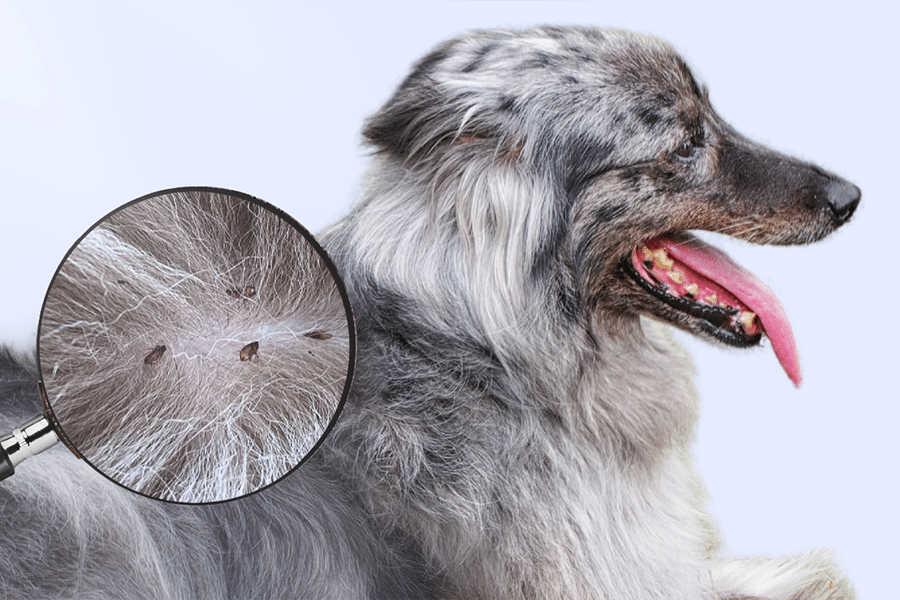
Fleas are more than an itchy nuisance: feeding can cause skin inflammation, flea-allergy dermatitis, and occasionally significant blood loss in vulnerable animals. Seeing one adult flea may mean eggs and immature stages are present in the home environment. A dog can have flea allergy even when very few fleas are found.
What the context tells you
Check the base of the tail, groin, and belly for moving fleas or dark flea dirt; wetting flea dirt on white tissue can reveal reddish-brown material from digested blood. Eggs and larvae develop in bedding, cracks, and carpets, so pet-only treatment often fails to stop an established infestation.
Practical steps and everyday care
Ask a veterinarian for a species-appropriate preventive matched to the dog's age, weight, health, and other household animals. Wash washable bedding, vacuum thoroughly, and follow product labels. Never put a canine flea product on a cat; some ingredients are particularly dangerous to cats.
How to evaluate a change without jumping to conclusions
A change in a dog's behavior deserves a simple timeline: when it started, how often it occurs, what happened before it, and whether appetite, drinking, stool, walking, or energy changed at the same time. Pictures or a short video can be more helpful to a veterinary team than trying to assign a diagnosis from a single sign. Age, medications, recent travel, and exposures may also affect the interpretation. When symptoms are getting worse, don't delay care to finish collecting observations.
A real-world example
Imagine a dog treated with a properly chosen flea preventive while its bed and favorite rug remain full of developing flea stages. New adults may continue emerging for a time, which does not necessarily mean the preventive failed. Coordinated pet protection and environmental cleaning is usually more effective than changing chemicals repeatedly without checking application and timing.
When to get veterinary advice
Skin sores, weakness, pale gums, heavy infestation in a puppy, or unexplained scratching deserve a veterinary visit. Avoid combining insecticides or improvising home pesticide mixtures. It may take repeated environmental management to break the flea life cycle.
A quick decision checklist
Check the dog’s age, current medications, recent exposures, and overall condition.
Explain flea life cycle, inspection, cleaning and vet-approved prevention, not brand rankings.
Record symptoms, timing, appetite, stool, activity, and any exposure that could help a veterinarian.
Seek qualified veterinary, extension, or species-specialist guidance before using medication or making major changes.
Frequently asked questions
Is this always an emergency?
Not every isolated behavior or mild sign requires emergency care. Sudden severe pain, collapse, trouble breathing, repeated unsuccessful vomiting, or rapid deterioration does. A veterinarian can help decide how quickly an otherwise stable dog should be examined.
What information is useful at a veterinary appointment?
Bring a timeline, photographs or video if possible, a list of medications and foods, and details of any exposures. Those facts can help the veterinarian interpret signs in context.
Related reading
Reliable resources for further checking
Editorial status: draft. Check current professional guidance and local rules before publication; urgent symptoms require appropriate veterinary help.
