Liver Supplements for Dogs: Ingredients, Evidence and Vet Guidance
Learn why some dogs receive liver supplements, which claims need scrutiny and why abnormal liver tests require veterinary assessment.
Liver Supplements for Dogs: Ingredients, Evidence and Vet Guidance
Updated November 2, 2026 | US English | Veterinary editorial review pending
Liver supplements for dogs may contain compounds such as S-adenosylmethionine (SAMe) or milk thistle ingredients, but they do not treat every cause of abnormal liver values. The underlying condition may involve infection, inflammation, toxins, hormonal disease, congenital problems or medication effects. A veterinarian should interpret tests and choose whether any supplement belongs in the treatment plan.
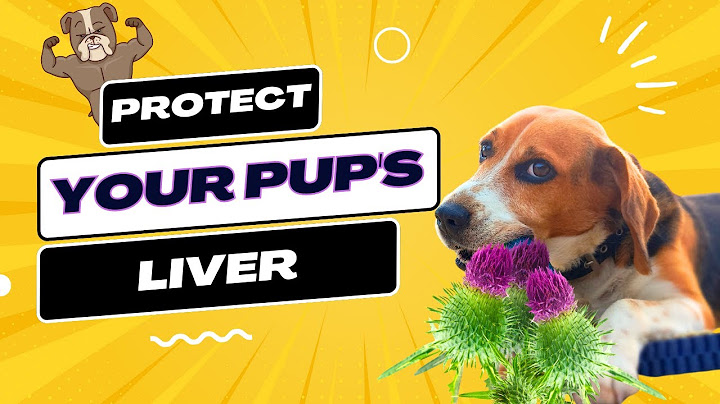
What liver supplements are
Liver-support products may contain SAMe, silybin or milk-thistle derivatives, antioxidants and vitamins. These products have different formulations and cannot be presumed equivalent. A supplement may be considered as part of a veterinary plan for certain liver conditions, but packaging language such as “detox” is not a diagnosis or a substitute for medical care.
Why liver tests matter
Elevated liver enzymes do not by themselves prove that the liver requires a particular supplement. The values may be affected by medications, endocrine problems, inflammation, biliary issues or other conditions. A veterinarian interprets the pattern together with symptoms, examination, additional laboratory tests and sometimes imaging.
Common ingredients and study limitations
SAMe and silybin are often discussed for hepatocellular support, but the quality and applicability of evidence vary among diseases and formulations. A study of a single ingredient should not be taken as proof of improved survival or cure from a branded blend. Avoid products claiming to reverse all liver disease or replace prescribed therapy.
Possible interactions
Ingredients can affect other medications or be unsuitable for a dog with additional health problems. Human supplements may contain an inappropriate strength or additives. Before use, share a complete list of prescriptions, treats, vitamins and herbal products and ask whether the proposed product is appropriate for the specific diagnosis.
What follow-up with a vet involves
Follow-up may involve repeated bloodwork, imaging, appetite and weight monitoring or dietary changes. The schedule depends on the suspected cause, not a generic supplement course. A veterinarian should define what would count as improvement and when the product should be stopped if it is not helping.
Urgent symptoms
Yellow gums or eyes, severe vomiting, marked lethargy, seizures, abdominal swelling or a rapidly declining appetite should be assessed urgently. These signs are not situations for a new over-the-counter liver chew. Prompt diagnosis is more important than any “liver cleanse” promise.
A practical decision checklist
Get a diagnosis and appropriate follow-up plan before considering any liver-support ingredient.
Read the exact package label, including all active and inactive ingredients, amounts per serving, age limitations and expiration.
Review the complete food ration, other chews and medications with your veterinarian before adding or stacking products.
Choose an observable outcome and a follow-up plan; stop and seek advice if side effects or concerning symptoms occur.
Frequently asked questions
Does an elevated liver enzyme mean my dog needs milk thistle?
No. Liver enzyme changes have numerous possible causes and require veterinary interpretation.
Can liver supplements replace prescribed care?
No. A veterinarian may consider a supplement as an adjunct, but diagnosing and managing the underlying disease is essential.
Is yellowing of the eyes an emergency?
Yellowing, severe illness or neurologic signs require prompt veterinary evaluation rather than trying an over-the-counter product.