Tsunami Warning Signs: Natural Clues and Official Alerts
Tsunami Warning Signs: Natural Clues and Official Alerts Explore evidence-based facts, context and common misconceptions.
Tsunami Warning Signs: Natural Clues and Official Alerts
Natural tsunami warning signs include strong or long coastal earthquake shaking, a sudden rise or fall in sea level, and a loud roar from the ocean. Any one of these can justify immediate protective action in a tsunami hazard zone.
The essentials
Official warnings come through emergency alerts, local authorities, weather radio, and other channels. A local tsunami can arrive before an official message is received, so recognizing natural signs matters.
What makes this subject distinctive
A beach that appears calm is not proof that the danger has passed. Tsunamis are series of waves, the first may not be largest, and dangerous currents can last for hours.
A general explanation cannot predict the danger at a specific address. Exposure, building design, terrain, water depth, and current conditions change outcomes. Use local forecasts, hazard maps, and official emergency alerts for decisions that affect personal safety.
Common misconceptions and limits
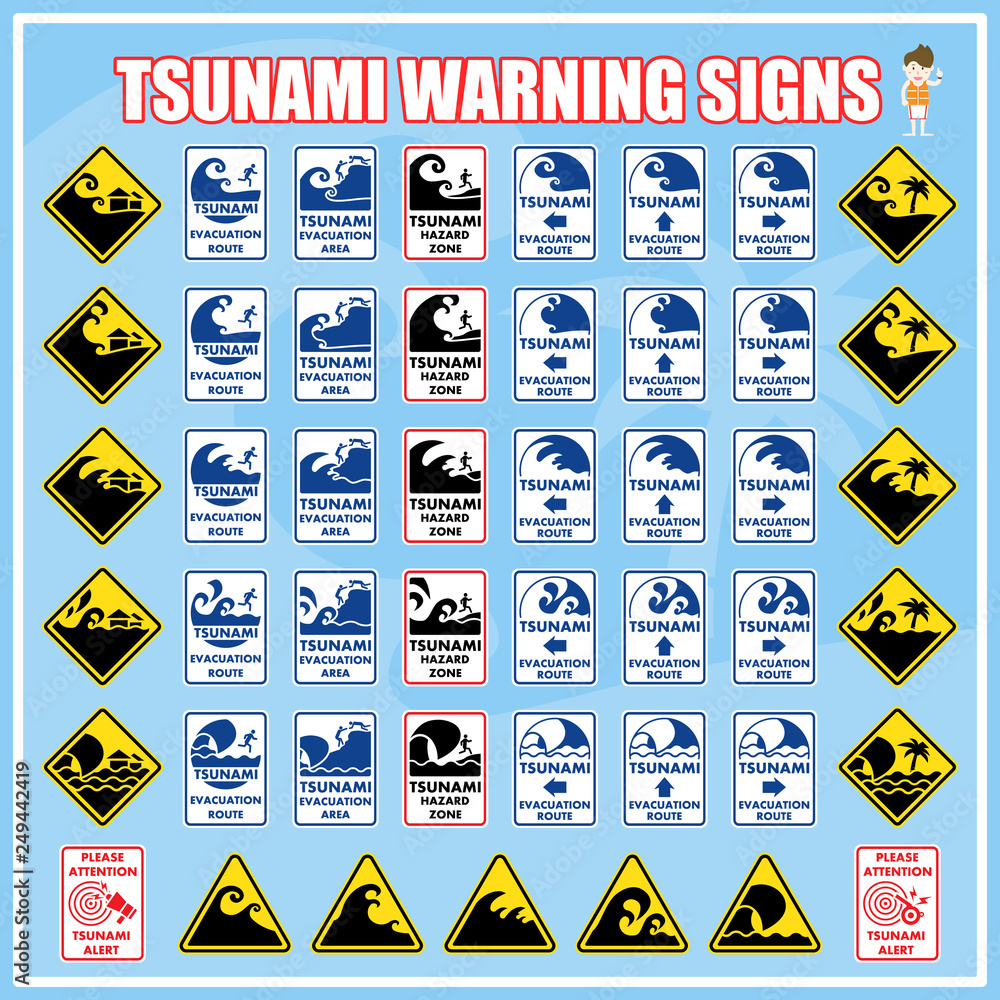
Move promptly to high ground or inland following posted routes and local instructions. Do not go to the shore to watch or photograph the water; return only when authorities announce it is safe.
Science explains processes; emergency authorities communicate immediate decisions. If a topic involves public safety, general educational prose must not override local earthquake guidance, weather warnings, evacuation maps, or coastal tsunami instructions.
Understanding the physical process
Earth systems are connected: oceans influence climate, rock processes shape land, and atmospheric conditions govern many weather hazards. The essential scientific distinction is between the physical cause of a phenomenon and the particular impact experienced in one place.
Key points at a glance
Natural tsunami warning signs include strong or long coastal earthquake shaking, a sudden rise or fall in sea level, and a loud roar from the ocean.
Official warnings come through emergency alerts, local authorities, weather radio, and other channels.
A beach that appears calm is not proof that the danger has passed.
Frequently asked questions
Do I need to see a wave before leaving?
No. Strong or long coastal shaking, unusual sea movement, or an ocean roar can be enough to evacuate.
Can the first wave be the smallest?
Yes. A tsunami is a series of waves and later waves may be more dangerous.
When is it safe to return?
Only after local authorities announce that the danger has passed.
Explore related guides
Earth Science Explained: Oceans, Weather, Volcanoes and Natural Hazards
