Wind Chill Explained: Meaning, Calculation and Safety
Wind Chill Explained: Meaning, Calculation and Safety Explore evidence-based facts, context and common misconceptions.
Wind Chill Explained: Meaning, Calculation and Safety
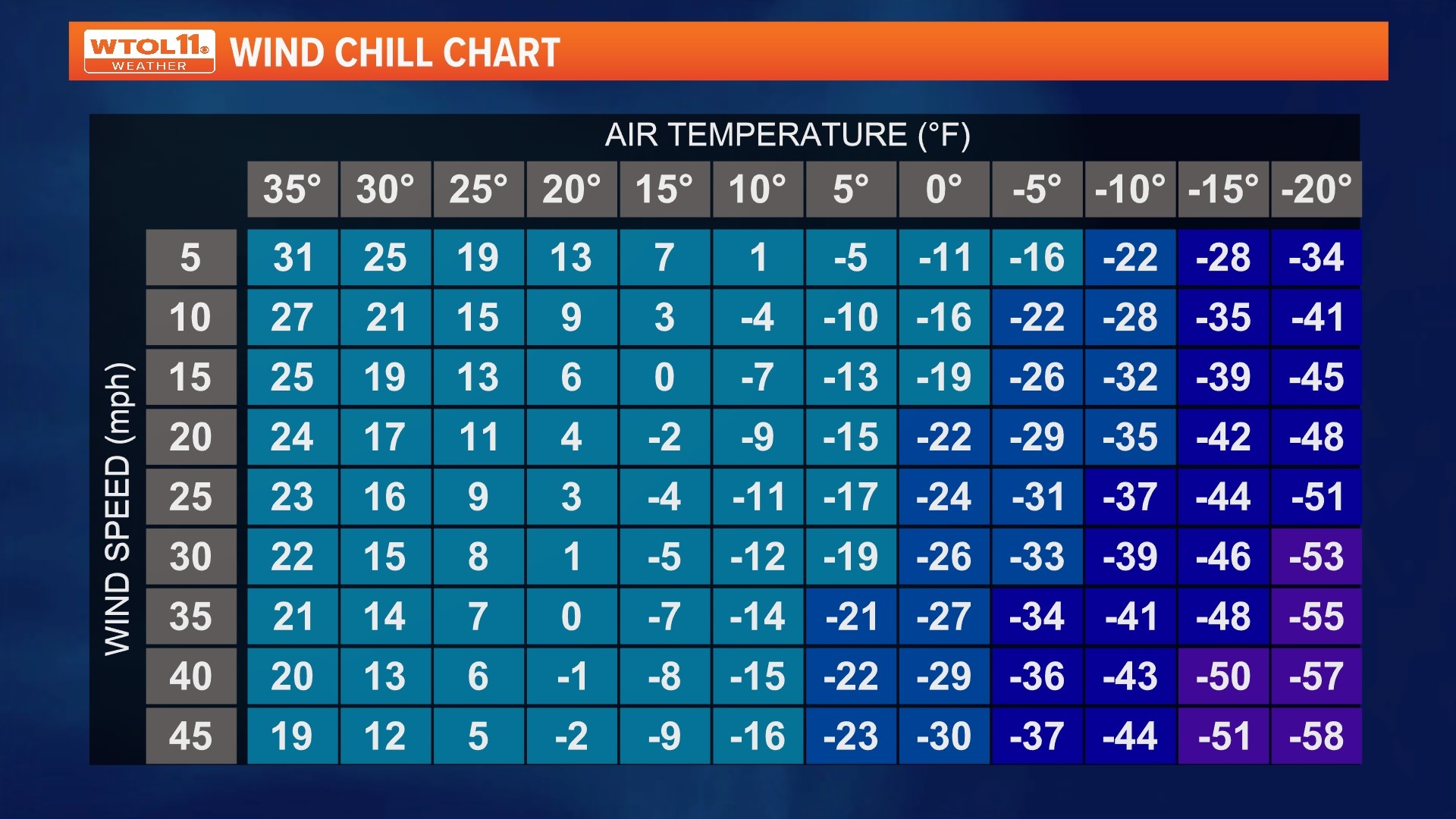
Wind chill describes how cold moving air feels on exposed skin under certain conditions, combining air temperature and wind speed. Wind increases heat loss by replacing a layer of relatively warm air around the body.
The essentials
The wind-chill index is an estimate designed for particular conditions, not a direct thermometer reading of the air. A metal object cannot cool below ambient air temperature solely because wind is blowing across it.
What makes this subject distinctive
The index is most relevant to exposed human skin. Sunshine, wet clothing, activity, and personal factors also influence risk, so a displayed wind-chill number is not the complete story of outdoor exposure.
A general explanation cannot predict the danger at a specific address. Exposure, building design, terrain, water depth, and current conditions change outcomes. Use local forecasts, hazard maps, and official emergency alerts for decisions that affect personal safety.
Common misconceptions and limits
Cold weather can cause frostbite and hypothermia. Follow National Weather Service guidance, cover exposed skin, and use local forecasts rather than treating a single chart as personalized medical advice.
Science explains processes; emergency authorities communicate immediate decisions. If a topic involves public safety, general educational prose must not override local earthquake guidance, weather warnings, evacuation maps, or coastal tsunami instructions.
Why local conditions matter
A general explanation cannot predict the danger at a specific address. Exposure, building design, terrain, water depth, and current conditions change outcomes. Use local forecasts, hazard maps, and official emergency alerts for decisions that affect personal safety.
Key points at a glance
Wind chill describes how cold moving air feels on exposed skin under certain conditions, combining air temperature and wind speed.
The wind-chill index is an estimate designed for particular conditions, not a direct thermometer reading of the air.
The index is most relevant to exposed human skin.
Frequently asked questions
What is the basic explanation?
Wind chill describes how cold moving air feels on exposed skin under certain conditions, combining air temperature and wind speed.
Why can local conditions change the outcome?
The wind-chill index is an estimate designed for particular conditions, not a direct thermometer reading of the air.
When should official guidance take priority?
Cold weather can cause frostbite and hypothermia.
Explore related guides
Earth Science Explained: Oceans, Weather, Volcanoes and Natural Hazards
