What to Do During an Earthquake: Basic Safety Guidance
What to Do During an Earthquake: Basic Safety Guidance Explore evidence-based facts, context and common misconceptions.
What to Do During an Earthquake: Basic Safety Guidance
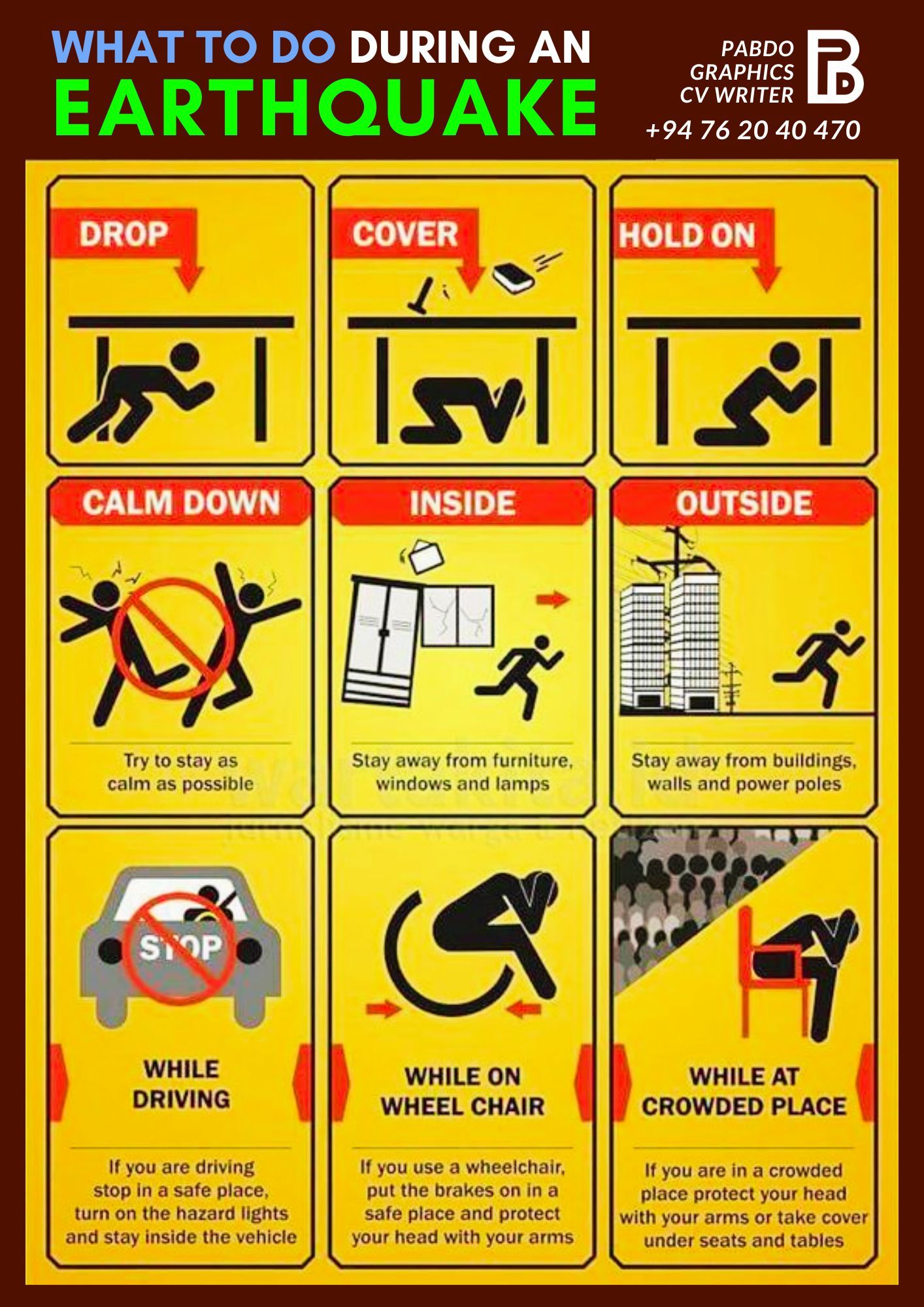
In most situations the recommended immediate action during strong shaking is Drop, Cover, and Hold On. Get low, protect your head and neck under sturdy furniture if possible, and hold on until shaking stops.
The essentials
If you are indoors, stay inside while the ground shakes rather than running toward windows or exterior walls. If outside, move away from buildings and overhead hazards when safe to do so. If driving, stop carefully in a safer location and remain in the vehicle.
What makes this subject distinctive
Doorways are not a universally safer place in modern buildings, and rushing outside can expose people to falling glass or debris. Preparedness before an earthquake includes securing heavy furniture and identifying safe places in each room.
A general explanation cannot predict the danger at a specific address. Exposure, building design, terrain, water depth, and current conditions change outcomes. Use local forecasts, hazard maps, and official emergency alerts for decisions that affect personal safety.
Common misconceptions and limits
After the shaking, watch for aftershocks and damaged utilities. Coastal residents should also know whether a strong or long earthquake could signal a local tsunami requiring immediate evacuation according to local instructions.
Science explains processes; emergency authorities communicate immediate decisions. If a topic involves public safety, general educational prose must not override local earthquake guidance, weather warnings, evacuation maps, or coastal tsunami instructions.
Why local conditions matter
A general explanation cannot predict the danger at a specific address. Exposure, building design, terrain, water depth, and current conditions change outcomes. Use local forecasts, hazard maps, and official emergency alerts for decisions that affect personal safety.
Key points at a glance
In most situations the recommended immediate action during strong shaking is Drop, Cover, and Hold On.
If you are indoors, stay inside while the ground shakes rather than running toward windows or exterior walls.
Doorways are not a universally safer place in modern buildings, and rushing outside can expose people to falling glass or debris.
Frequently asked questions
What should I do immediately during shaking?
In most situations, Drop, Cover, and Hold On until the shaking stops.
Should I run outside?
If you are inside, generally stay inside during shaking and avoid windows and falling hazards.
What if I am near the ocean?
After strong or long shaking, follow local tsunami evacuation guidance and head to high ground or inland when in a hazard zone.
Explore related guides
Earth Science Explained: Oceans, Weather, Volcanoes and Natural Hazards
