Fish for a 30-Gallon Aquarium: Stocking Principles and Ideas
Fish for a 30-Gallon Aquarium: Stocking Principles and Ideas. Discover practical facts, risks, and care considerations before you decide what to do next.
Fish for a 30-Gallon Aquarium: Stocking Principles and Ideas
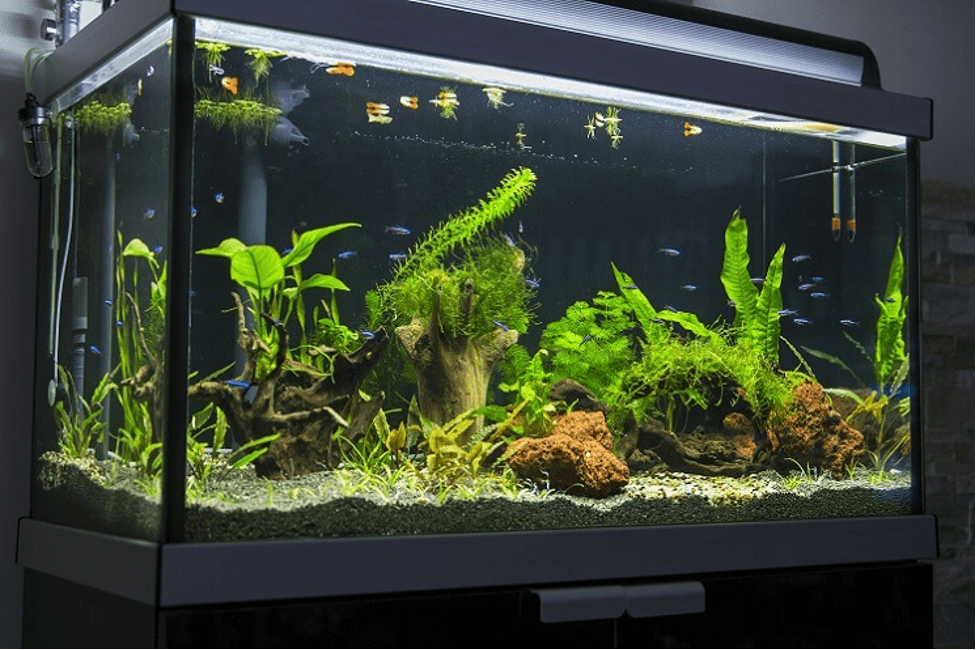
A 30-gallon aquarium offers room for many freshwater community possibilities, but stocking is not a simple inches-of-fish formula. Adult size, swimming behavior, activity level, territorial needs, filtration capacity, and water chemistry matter more than juvenile size at purchase.
What the context tells you
A school of small compatible fish may use the space more naturally than several mismatched large species. Bottom dwellers need usable floor area, while active swimmers need uninterrupted horizontal length. Livebearers can reproduce and increase stocking pressure unexpectedly.
Practical steps and everyday care
Choose a centerpiece or main schooling group first, then build around water needs and temperament. Research adult sizes, cycling needs, feeding competition, and quarantine practices. Leave capacity for growth and the filter's gradual adjustment to extra biological load.
Check the system before changing the livestock
Fish and invertebrates live continuously in the water conditions their keepers create. Ammonia and nitrite should not be assumed safe simply because water is clear. Before changing stocking, food, pH, or equipment, confirm that the filter is established and that temperature and chemistry suit the exact species. Small, measured changes are easier to evaluate than several interventions at once, especially in a mature community tank.
A real-world example
An aquarist planning a tank around schooling fish should consider the aquarium's horizontal length, not only its gallon label. Adding a large bottom-dweller that is small in the store may leave inadequate floor space later. Build a stocking list from adult dimensions, temperament, and shared water needs before shopping.
Avoiding preventable tank problems
Avoid mixing fish that need different temperatures or pH solely for visual variety. Crowding increases stress and waste production, even when the water appears clean. Test ammonia and nitrite after stocking changes.
A quick decision checklist
Verify the species and test actual aquarium water before changing the setup.
Discuss adult size, activity, filtration and species compatibility rather than a rigid fish count.
Write down ammonia, nitrite, temperature, and other species-relevant test readings.
Seek qualified veterinary, extension, or species-specialist guidance before using medication or making major changes.
Frequently asked questions
Can I fix this by adding another fish or chemical?
Usually it is better to identify the actual cause first. Adding livestock increases the biological load, and chemical shortcuts can produce rapid changes. Testing and reviewing species needs should come before any major intervention.
What should I test or observe first?
Measure ammonia, nitrite, nitrate, temperature, and species-relevant hardness or salinity. Also check feeding, behavior, and whether the biological filter was recently disturbed.
Related reading
how do you lower ph in fish tank
Reliable resources for further checking
Editorial status: draft. Check current professional guidance and local rules before publication; urgent symptoms require appropriate veterinary help.
