Sake Explained for First-Time Readers
Learn what sake is, how its name is pronounced and the main styles without relying on the misspelling “saki.”
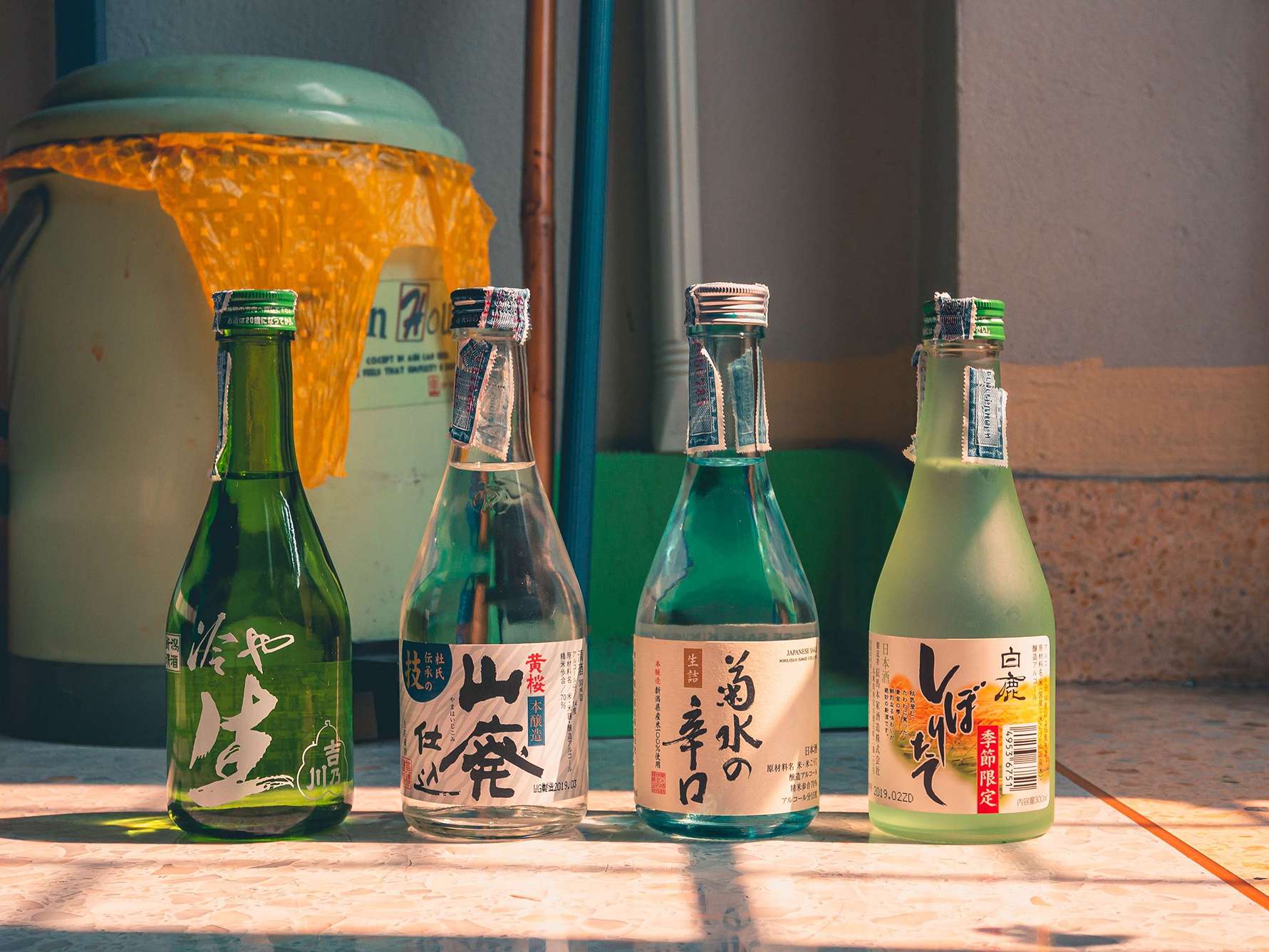
People searching for a "saki drink" are usually asking about sake, the Japanese beverage brewed from rice. The usual English spelling is sake, even though people sometimes type saki or pronounce the word differently. Sake is alcoholic and fermented; it is not simply vodka made from rice and is not distilled in the way a spirit is. Understanding the ingredients, brewing method, and label words makes a sake menu less intimidating without turning it into a shopping guide.
Saki versus sake: which spelling is right?
Sake is the familiar English rendering of the Japanese word for this traditional drink. Some English speakers use "saki" as a phonetic approximation, but it is not the standard spelling on most menus and reference materials. You may also see nihonshu, a Japanese term that distinguishes Japanese-style sake from alcohol more broadly. If you ask for sake at a restaurant, explaining whether you want a dry, fruity, full-bodied, chilled, or warmed style is usually more useful than worrying about the romanized spelling.
How rice becomes a fermented beverage
A sake brewer typically works with polished rice, water, koji, and yeast. Polishing removes some outer parts of the rice grain. Koji is rice cultivated with a microorganism whose enzymes help convert starch into sugar; yeast then converts sugar into alcohol. Unlike wine, where grapes already contain fermentable sugar, sake must first make sugars available from rice starch. The two processes can occur together during fermentation, a characteristic feature of sake brewing. This is why saying "rice wine" may be a convenient menu shorthand but does not fully describe its production.
What junmai, ginjo, and daiginjo mean
Labels often indicate brewing approach rather than a single flavor guarantee. Junmai identifies sake made without added brewer's alcohol. Ginjo and daiginjo are associated with particular rice polishing and brewing standards, frequently producing more aromatic or delicate styles. A lower polishing ratio means more of the grain has been milled away, but it does not automatically mean a better experience for every drinker. Flavor depends on ingredients, fermentation, storage, and the brewer's choices. A high price or elegant category name is not a substitute for reading a tasting description.
Dry, sweet, chilled, or warm?
Some sake is crisp and dry, while other examples feel rounder or sweeter. Aroma may suggest fruit, grain, or savory notes, and acidity can affect the overall impression. Temperature changes the sensory experience: chilling may emphasize freshness, while gentle warming can alter aroma and texture. There is no rule that all good sake must be served hot or all premium sake cold. Ask the server how the particular sake is intended to be enjoyed. Serving temperature and food pairing are preferences, not proof of purity or quality.
How it fits alongside food
A lighter sake can accompany more delicate dishes, while a richer style may work with savory or grilled foods. This is a starting point, not a rigid pairing law. A diner can focus on one shared feature, such as citrusy freshness, umami, or texture, and experiment in small portions. Sake can also be served alongside non-Japanese cuisines. The goal is to understand the beverage's characteristics rather than assume only one cultural setting or a prescribed food combination is acceptable.
A compact label glossary
Koji: cultivated rice that supplies starch-breaking enzymes. Junmai: a category without added brewer's alcohol. Ginjo: a regulated class associated with a particular polishing and brewing method. Daiginjo: a more highly polished class under the relevant rules. Nigori: a generally cloudy style retaining some rice solids after processing. Nama: unpasteurized sake, for which storage guidance may be more demanding. These terms are descriptive clues, not health claims or guaranteed flavor rankings. Alcoholic beverages are for adults of legal drinking age; offer alcohol-free options at mixed gatherings.
Quick checklist
The standard English spelling is sake; "saki" is a common search variation.
Sake is fermented from rice, koji, water, and yeast—not distilled like vodka.
Choose by flavor, style, and serving preference rather than prestige alone.
Continue exploring
For a related question, see types of beverages.