What Do Ghost Shrimp Eat? A Balanced Aquarium Feeding Guide
What Do Ghost Shrimp Eat A Balanced Aquarium Feeding Guide. Discover practical facts, risks, and care considerations before you decide what to do next.
What Do Ghost Shrimp Eat? A Balanced Aquarium Feeding Guide
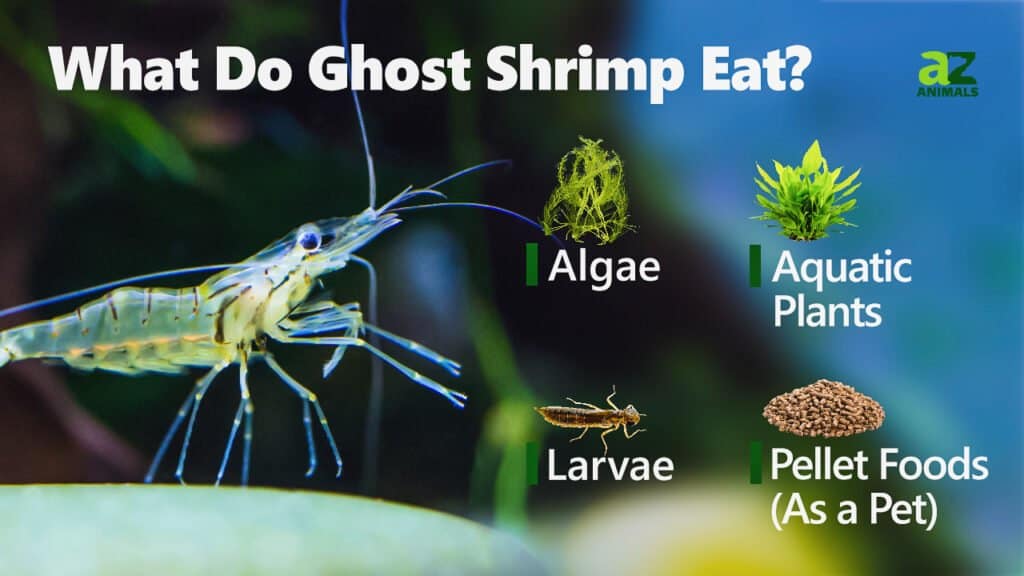
Ghost shrimp are small freshwater crustaceans that scavenge fine food particles and biofilm, but scavenging does not mean they can thrive on waste alone. Different shrimp sold under the ghost-shrimp label may belong to different species and can vary in size and behavior.
What the context tells you
Provide appropriate sinking invertebrate foods or tiny portions of suitable prepared fish foods when natural food is insufficient. Copper exposure, unstable water conditions, and unsuitable predatory fish can cause losses. Molting shrimp need mineral balance and places to hide.
Practical steps and everyday care
Watch whether shrimp actually obtain food in a community tank, remove leftovers, and keep gentle cover among plants or decor. Note sudden deaths after medications or water changes and check products for invertebrate safety.
Check the system before changing the livestock
Fish and invertebrates live continuously in the water conditions their keepers create. Ammonia and nitrite should not be assumed safe simply because water is clear. Before changing stocking, food, pH, or equipment, confirm that the filter is established and that temperature and chemistry suit the exact species. Small, measured changes are easier to evaluate than several interventions at once, especially in a mature community tank.
A real-world example
A ghost shrimp in a busy community tank may appear to scavenge actively yet receive little actual food because fast fish intercept every pellet. Targeted tiny portions can help, while leftovers must be removed to protect water quality. When the shrimp disappears after molting, check hiding spots before assuming it has died.
Avoiding preventable tank problems
A transparent exoskeleton left behind after molting can look like a dead shrimp; inspect carefully before reacting. Avoid using live shrimp as disposable cleanup equipment or mixing with fish known to hunt them.
A quick decision checklist
Verify the species and test actual aquarium water before changing the setup.
Explain scavenging versus targeted nutrition, tankmates and molt-related water quality.
Write down ammonia, nitrite, temperature, and other species-relevant test readings.
Seek qualified veterinary, extension, or species-specialist guidance before using medication or making major changes.
Frequently asked questions
Can I fix this by adding another fish or chemical?
Usually it is better to identify the actual cause first. Adding livestock increases the biological load, and chemical shortcuts can produce rapid changes. Testing and reviewing species needs should come before any major intervention.
What should I test or observe first?
Measure ammonia, nitrite, nitrate, temperature, and species-relevant hardness or salinity. Also check feeding, behavior, and whether the biological filter was recently disturbed.
Related reading
how do you lower ph in fish tank
Reliable resources for further checking
Editorial status: draft. Check current professional guidance and local rules before publication; urgent symptoms require appropriate veterinary help.
