How Much Space Do Chickens Need? Coop and Run Planning
How Much Space Do Chickens Need Coop and Run Planning. Discover practical facts, risks, and care considerations before you decide what to do next.
How Much Space Do Chickens Need? Coop and Run Planning
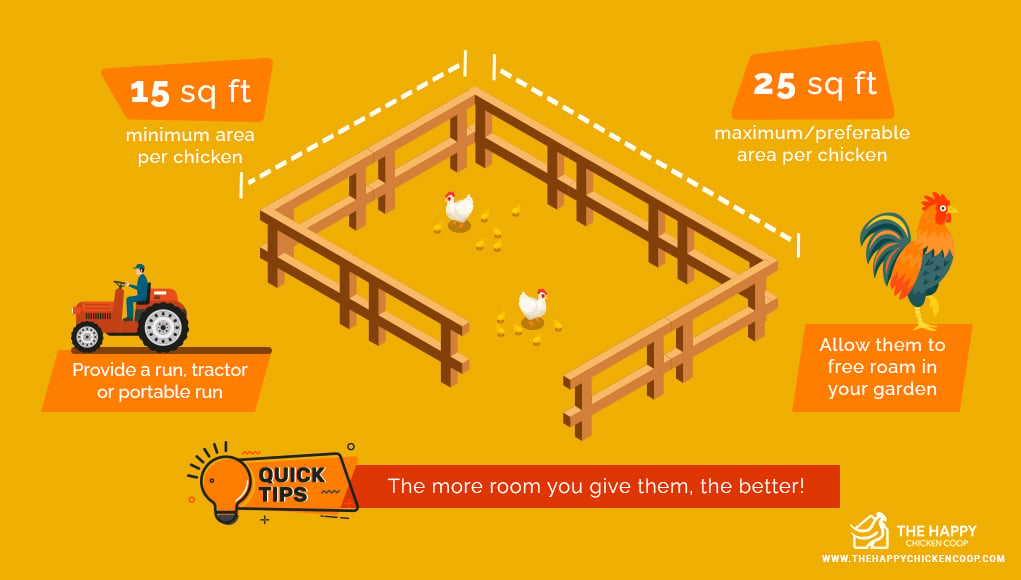
Chickens need space for sleeping, moving, foraging, dust bathing, and avoiding conflict. A single square-foot rule cannot fit every climate, breed, flock size, or management system. Coop area and outdoor run area perform different roles, and a flock confined during bad weather needs more usable indoor space.
What the context tells you
Crowding can worsen feather pecking, manure buildup, ventilation problems, and competition for feed and perches. A large run does not fix a damp, poorly ventilated night shelter. Bantams, large breeds, breeding birds, and mixed groups may have different practical needs.
Practical steps and everyday care
Design for adult birds rather than just new chicks. Provide enough roosting length and nest access, multiple food and water points as needed, shade, dry shelter, and predator protection. Watch whether subordinate birds can escape bullying and reach resources.
Plan for an animal, not only a production outcome
Livestock welfare involves appropriate nutrition, shelter, social contact, freedom of movement, and disease prevention. Climate, breed, age, reproductive status, local regulations, and flock or herd size change the details. Maintain records of feed, water, body condition, injuries, and treatment, and work with a local veterinarian or extension educator on biosecurity. A high-performing animal can still have unmet welfare needs; performance alone is not a health assessment.
A real-world example
A flock with a large outdoor run may still become crowded when heavy rain forces birds inside for days. Plan indoor dimensions around that possibility and provide enough perches and feeders to reduce competition. Watch for feather pecking and dirty air, since those can reveal space and management problems before a keeper measures the floor again.
When professional support matters
Reassess space when adding birds, during seasonal confinement, or if pecking and respiratory issues develop. Local ordinances may set minimums, but legal compliance alone does not guarantee good welfare.
A quick decision checklist
Check the animal’s growth stage, feed, space, and herd or flock conditions.
Discuss space as context-dependent and include ventilation, shade and flock behavior.
Record feed intake, water availability, body condition, injuries, and group behavior.
Seek qualified veterinary, extension, or species-specialist guidance before using medication or making major changes.
Frequently asked questions
Does the same feeding or space rule fit every farm?
No. Local climate, animal size, production stage, welfare needs, feed type, and facility design all matter. Use veterinary and extension guidance to adapt any starting rule to the animals actually present.
Where can owners get locally relevant guidance?
A local veterinarian and university extension service can tailor advice to climate, flock or herd size, local disease risks, and legal requirements.
Related reading
Reliable resources for further checking
Editorial status: draft. Check current professional guidance and local rules before publication; urgent symptoms require appropriate veterinary help.
