Kitten Age Chart: Development From Birth Through the First Year
Kitten Age Chart: Development From Birth Through the First Year. Discover practical facts, risks, and care considerations before you decide what to do...
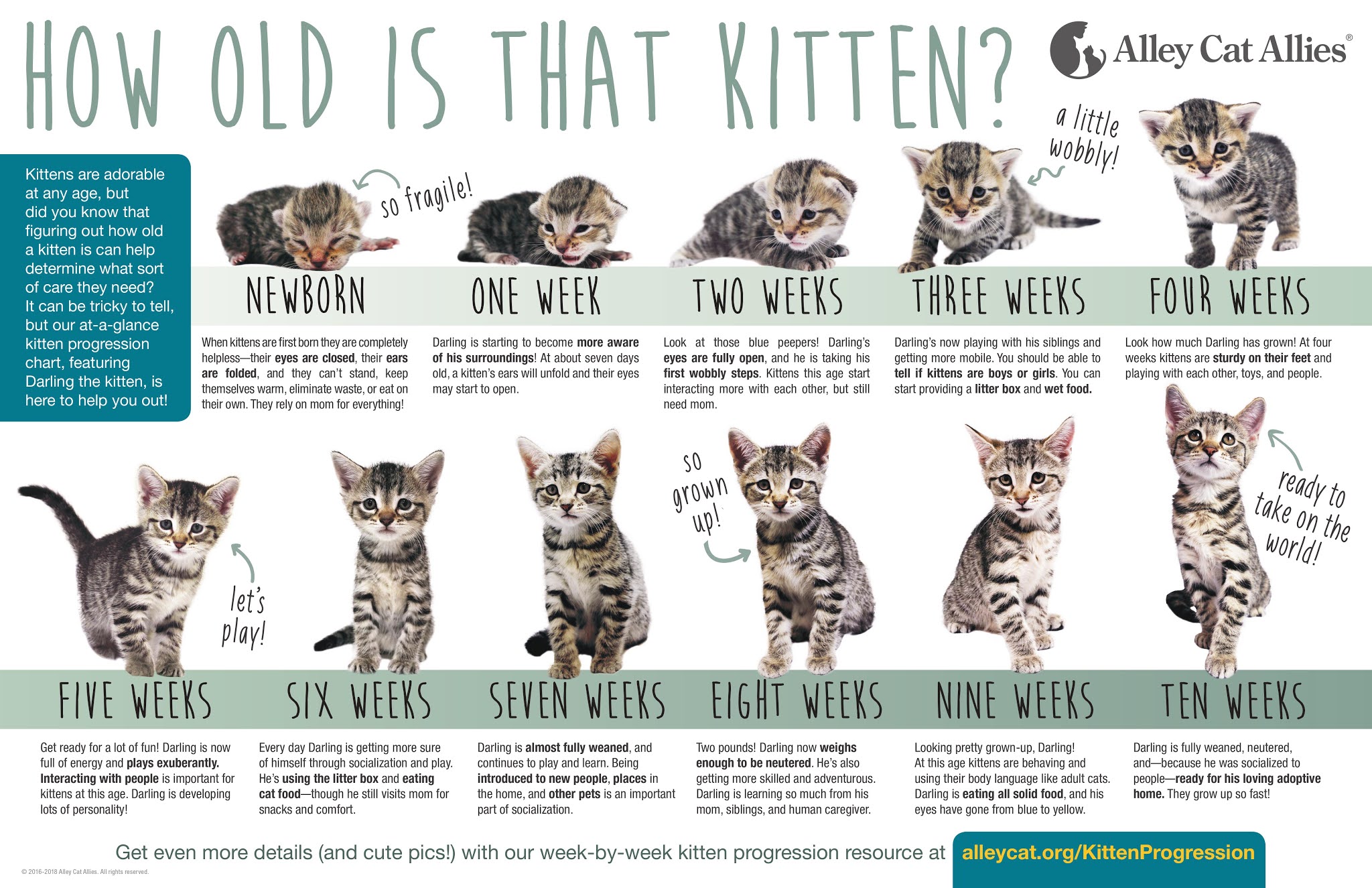
Kitten Age Chart: Development From Birth Through the First Year
Kitten development proceeds through overlapping stages rather than sharp deadlines. Newborns depend on warmth, nursing, and their mother or an appropriate foster-care protocol; eyes and ears gradually open during the first weeks. As mobility improves, play and social learning become increasingly important.
What the context tells you
Weaning typically develops over several weeks as kittens begin exploring appropriate solid food, but timing varies with health and circumstances. Milk replacer—not cow's milk—is used for orphaned neonates under veterinary or rescue guidance. Kittens that are not gaining weight need timely assessment.
Practical steps and everyday care
Track weight, eating, elimination, activity, and behavior rather than judging age from appearance alone. Work with a veterinarian on parasite control, vaccination, identification, and spay-neuter planning. Introduce handling, litter access, and safe toys in an age-appropriate way.
Pay attention to context and baseline behavior
Cats communicate through combinations of ear position, eyes, tail movement, posture, vocalization, and distance from people or other animals. A normally relaxed cat reacting differently may be responding to environmental changes or discomfort. Track when the change began, access to food and litter, medications, and any new plants or products. Quiet hiding does not necessarily mean a cat is comfortable; changes in eating, grooming, elimination, or activity are important.
A real-world example
A rescued kitten's size can be misleading when growth has been slowed by illness or poor nutrition. Weight records, tooth eruption, coordination, and an examination provide better context than a photograph alone. An orphaned kitten that feels cold and refuses to nurse needs skilled help quickly; guessing an age from a chart is not the first priority.
When to get veterinary advice
Orphaned or chilled kittens, difficulty breathing, persistent diarrhea, inability to nurse, and severe weakness are urgent. An online age chart is a guide for discussion, not a substitute for examining a fragile young animal.
A quick decision checklist
Check whether this differs from the cat’s usual behavior, eating, and litter routine.
Cover age-appropriate milestones, feeding transitions and veterinary guidance.
Note body language, appetite, litter habits, and changes in the home.
Seek qualified veterinary, extension, or species-specialist guidance before using medication or making major changes.
Frequently asked questions
What if the behavior or symptom starts suddenly?
A sudden departure from the cat's normal pattern deserves closer attention. If appetite, breathing, elimination, mobility, or alertness is affected, contact a veterinarian promptly. Never use human medications or essential oils as a substitute for a diagnosis.
How do I know this advice fits my cat?
Compare the change with your cat’s normal eating, activity, litter, grooming, and body language. A sudden or persistent departure from baseline deserves professional advice.
Related reading
Reliable resources for further checking
Editorial status: draft. Check current professional guidance and local rules before publication; urgent symptoms require appropriate veterinary help.
