How Loud Are Parrots? Noise, Species and Apartment Living
How Loud Are Parrots Noise, Species and Apartment Living. Discover practical facts, risks, and care considerations before you decide what to do next.
How Loud Are Parrots? Noise, Species and Apartment Living
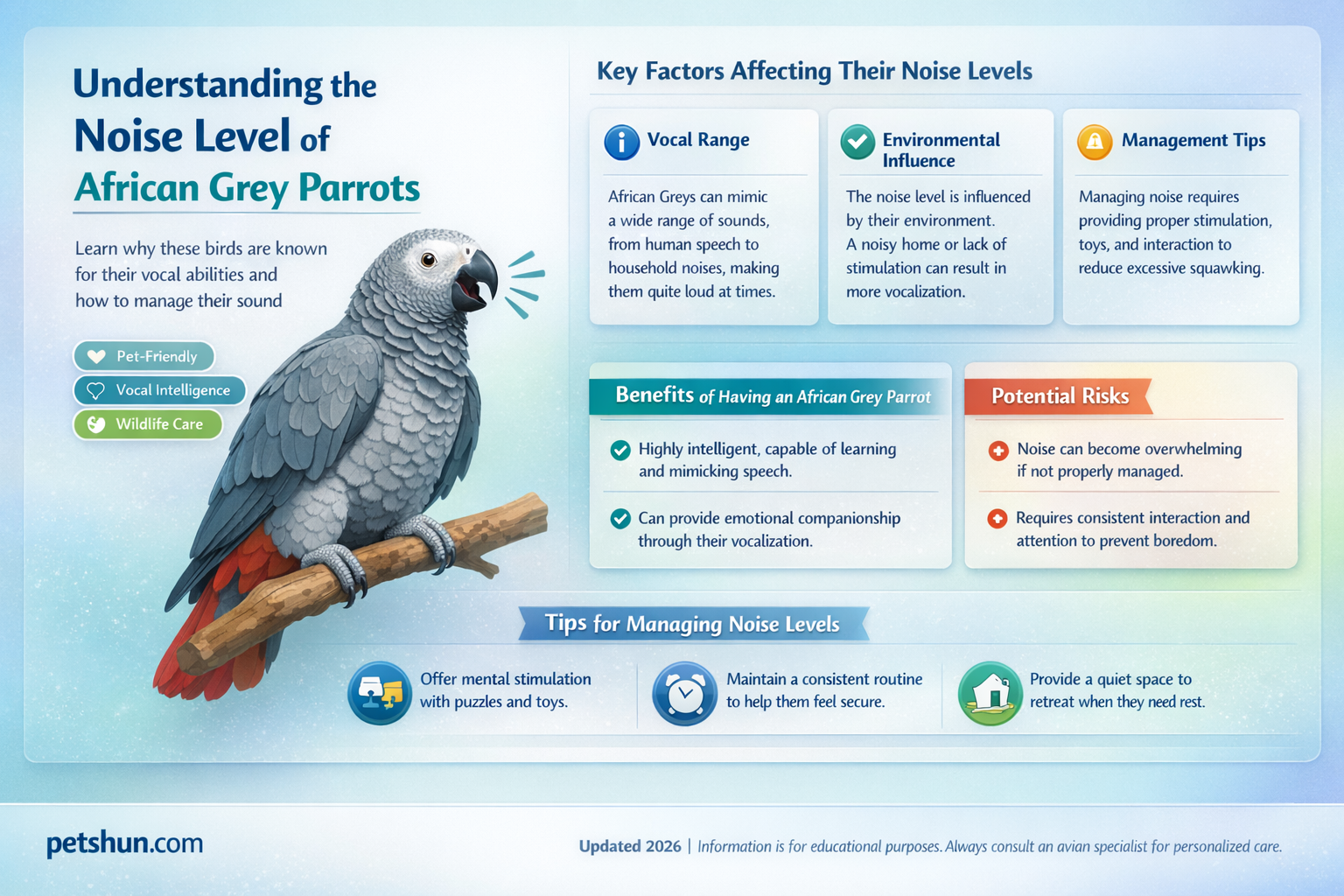
Parrot calls can be powerful, but the volume heard in a home depends on species, individual bird, distance, room acoustics, and context. A single decibel figure copied from an online chart is not a reliable predictor of household disruption. Some birds produce short loud contact calls even when otherwise calm.
What the context tells you
Vocalizing is normal communication. A bird may call to locate flock members, respond to environmental changes, or express alarm. Persistent screaming can be worsened by insufficient sleep, boredom, unpredictable attention, or illness; simply punishing sound is not a welfare-focused solution.
Practical steps and everyday care
Observe the bird at different times of day before adopting, and speak with experienced keepers of that species. Provide structured enrichment, social interaction, quiet nighttime conditions, and a predictable routine. Consider shared-wall neighbors and household sound sensitivity.
Daily welfare goes beyond the cage
Bird care includes fresh water, a nutritionally suitable diet, opportunities for safe movement, foraging, calm social contact, and uninterrupted rest. Household smoke, overheated nonstick cookware, aerosols, and unsafe metals can pose serious hazards. Because pet birds often mask illness, subtle changes in droppings, appetite, posture, or weight can be more informative than dramatic outward symptoms. Establish an avian veterinary relationship while the bird is well.
A real-world example
Two parrots of the same species can feel dramatically different in a small apartment versus a detached home. Room acoustics, call frequency, and timing matter more than a copied maximum-decibel figure. Spend time around adult birds before adopting and consider the needs of neighbors and household members.
Welfare and avian health alerts
Sudden shifts in voice or respiratory noises are not ordinary loudness and require veterinary care. Never remove a bird's ability to call or rely on harsh isolation as noise control.
A quick decision checklist
Check the bird’s normal eating, droppings, energy, and housing conditions.
Explain intensity varies by bird, environment and distance; avoid fabricated exact dB values.
Track eating, droppings, sleeping behavior, and any changes in vocalization or posture.
Seek qualified veterinary, extension, or species-specialist guidance before using medication or making major changes.
Frequently asked questions
Can a small cage and a seed bowl be enough?
No. Species-appropriate flight or climbing space, balanced nutrition, daily enrichment, sleep, sanitation, and veterinary oversight are basic responsibilities even for small birds.
What changes suggest a bird may be unwell?
Reduced appetite, changed droppings, breathing effort, unusual fluffed posture, or reluctance to perch merits prompt contact with an avian veterinarian.
Related reading
Reliable resources for further checking
Editorial status: draft. Check current professional guidance and local rules before publication; urgent symptoms require appropriate veterinary help.
