Platy Fish Care: Tank Conditions, Diet and Breeding
Platy Fish Care: Tank Conditions, Diet and Breeding. Discover practical facts, risks, and care considerations before you decide what to do next.
Platy Fish Care: Tank Conditions, Diet and Breeding
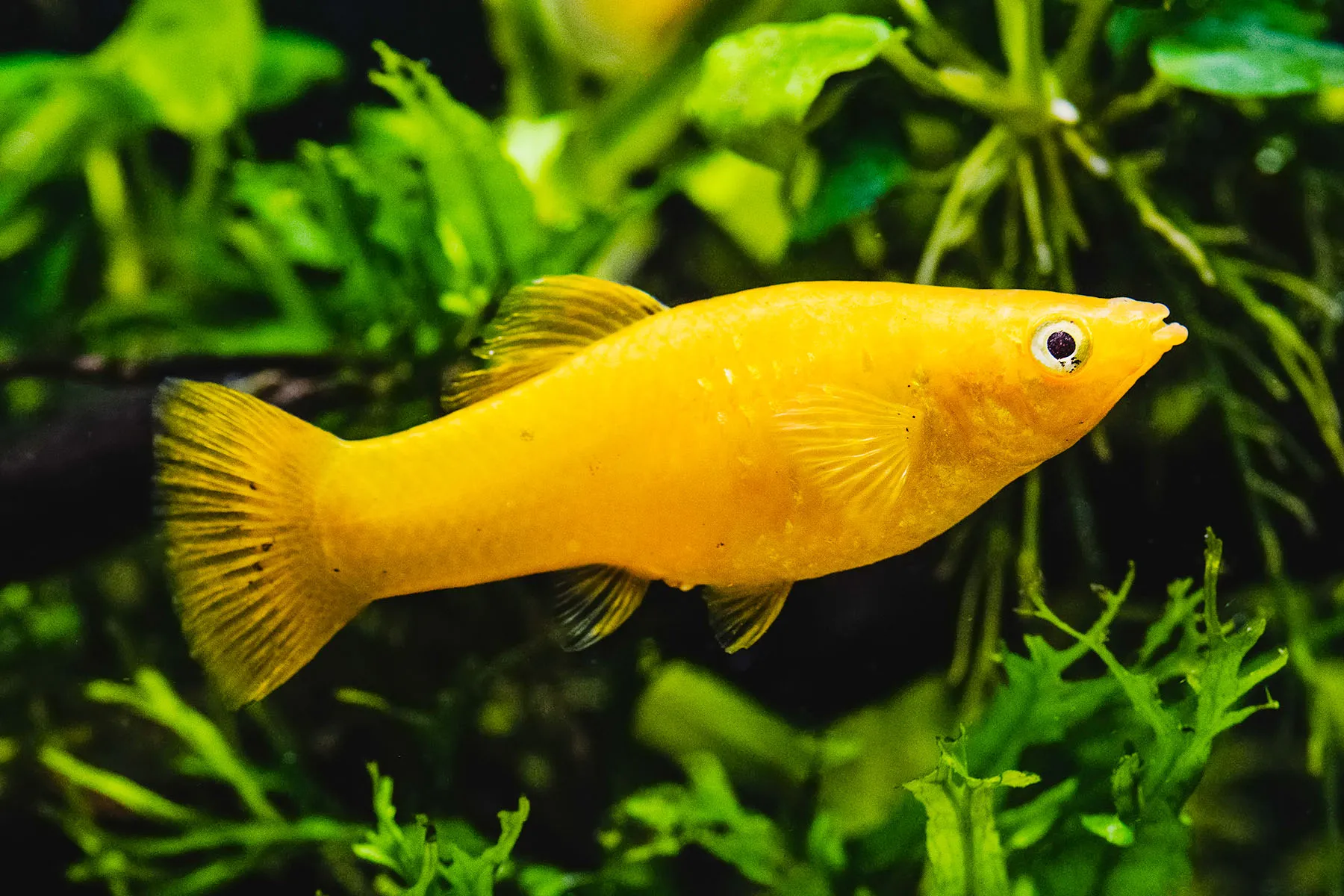
Platies are colorful freshwater livebearers often kept in peaceful community aquariums. Their appeal includes active swimming and straightforward feeding, but they still need a cycled tank, compatible chemistry, and enough space. Mixed-sex groups can produce young repeatedly.
What the context tells you
Platies generally eat a varied omnivorous diet including prepared foods and vegetable matter. Adult fish may eat fry, so breeding expectations should be realistic. Tail-nipping or crowding can occur when mixed with unsuitable tankmates or kept in unstable conditions.
Practical steps and everyday care
Plan the population before purchase: decide whether fry can be housed or responsibly rehomed. Offer plants and cover, avoid abrupt water changes, and test chemistry routinely. Watch for clamped fins, abnormal swimming, or refusal to feed.
Check the system before changing the livestock
Fish and invertebrates live continuously in the water conditions their keepers create. Ammonia and nitrite should not be assumed safe simply because water is clear. Before changing stocking, food, pH, or equipment, confirm that the filter is established and that temperature and chemistry suit the exact species. Small, measured changes are easier to evaluate than several interventions at once, especially in a mature community tank.
A real-world example
An aquarist buys a mixed-sex group of platies to add color and then notices fry a few weeks later. This is an ordinary reproductive possibility, not a tank malfunction. Plan for adult carrying capacity, population management, and responsible rehoming; otherwise an initially reasonable community can become overcrowded.
Avoiding preventable tank problems
Don't assume every fish labeled a platy has identical adult size or coloration. Choose healthy stock and maintain a quarantine approach to reduce the risk of introducing disease.
A quick decision checklist
Verify the species and test actual aquarium water before changing the setup.
Describe livebearers, social groups and avoiding overcrowding.
Write down ammonia, nitrite, temperature, and other species-relevant test readings.
Seek qualified veterinary, extension, or species-specialist guidance before using medication or making major changes.
Frequently asked questions
Can I fix this by adding another fish or chemical?
Usually it is better to identify the actual cause first. Adding livestock increases the biological load, and chemical shortcuts can produce rapid changes. Testing and reviewing species needs should come before any major intervention.
What should I test or observe first?
Measure ammonia, nitrite, nitrate, temperature, and species-relevant hardness or salinity. Also check feeding, behavior, and whether the biological filter was recently disturbed.
Related reading
how do you lower ph in fish tank
Reliable resources for further checking
Editorial status: draft. Check current professional guidance and local rules before publication; urgent symptoms require appropriate veterinary help.
