Puppy Bloat Signs: Recognizing an Emergency
Puppy Bloat Signs: Recognizing an Emergency. Discover practical facts, risks, and care considerations before you decide what to do next.
Puppy Bloat Signs: Recognizing an Emergency
A puppy's abdomen can look rounded after eating, but a rapidly enlarging, painful, tense belly is not something to watch casually. Gastric dilatation-volvulus, or GDV, is most associated with deep-chested dogs and is a veterinary emergency. Younger animals can also develop dangerous abdominal conditions with somewhat similar symptoms.
What the context tells you
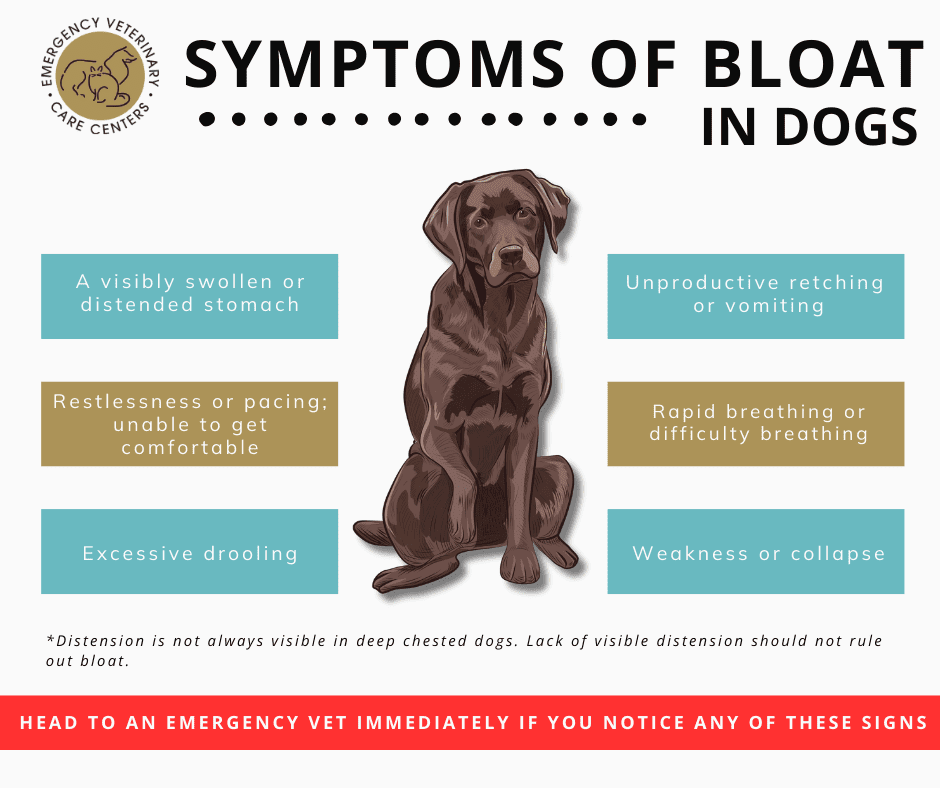
Red flags include repeated unproductive retching, restlessness, drooling, weakness, pale gums, difficulty breathing, and collapse. None of these signs reliably distinguishes one emergency from another at home. The urgency comes from impaired circulation and organ damage, not merely the amount of gas.
Practical steps and everyday care
If a puppy seems uncomfortable after a meal, check overall behavior, breathing, and whether vomiting is productive. A calm, playful puppy with mild fullness is different from a deteriorating dog. For suspected GDV, leave for an emergency veterinary hospital immediately and call en route; do not attempt to induce vomiting or massage the belly.
How to evaluate a change without jumping to conclusions
A change in a dog's behavior deserves a simple timeline: when it started, how often it occurs, what happened before it, and whether appetite, drinking, stool, walking, or energy changed at the same time. Pictures or a short video can be more helpful to a veterinary team than trying to assign a diagnosis from a single sign. Age, medications, recent travel, and exposures may also affect the interpretation. When symptoms are getting worse, don't delay care to finish collecting observations.
A real-world example
Picture a puppy with a large belly after stealing dinner who is still playful versus a dog that suddenly tries to vomit without bringing anything up, paces, and collapses. Those situations cannot be managed with the same wait-and-see plan. The second group of signs is an emergency regardless of the dog's age. Transport to an emergency clinic takes priority over internet troubleshooting.
When to get veterinary advice
Diet and feeding practices can be discussed with a veterinarian, especially for at-risk breeds, but no home routine guarantees prevention. An article about bloat is not a diagnostic test: if signs are severe or progressive, immediate professional assessment is safer than waiting to see whether they pass.
A quick decision checklist
Check the dog’s age, current medications, recent exposures, and overall condition.
Differentiate ordinary abdominal fullness and life-threatening GDV; emergency-first response.
Record symptoms, timing, appetite, stool, activity, and any exposure that could help a veterinarian.
Seek qualified veterinary, extension, or species-specialist guidance before using medication or making major changes.
Frequently asked questions
Is this always an emergency?
Not every isolated behavior or mild sign requires emergency care. Sudden severe pain, collapse, trouble breathing, repeated unsuccessful vomiting, or rapid deterioration does. A veterinarian can help decide how quickly an otherwise stable dog should be examined.
What information is useful at a veterinary appointment?
Bring a timeline, photographs or video if possible, a list of medications and foods, and details of any exposures. Those facts can help the veterinarian interpret signs in context.
Related reading
Reliable resources for further checking
Editorial status: draft. Check current professional guidance and local rules before publication; urgent symptoms require appropriate veterinary help.
