How to Potty Train Puppies Using Pads
Follow a step-by-step positive reinforcement routine for puppy pad training, accident cleanup and moving toward outdoor potty.
How to Potty Train Puppies Using Pads
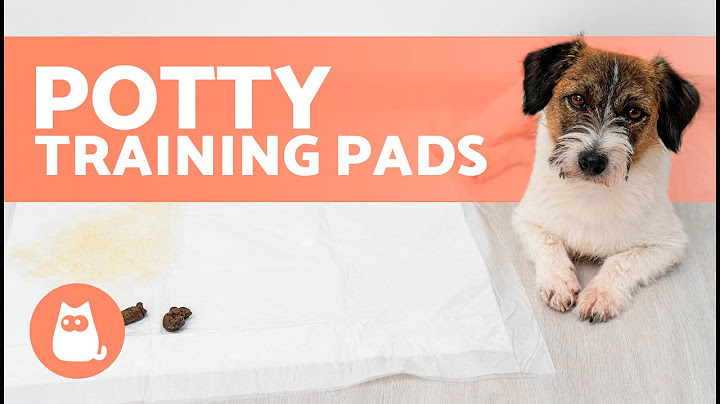
To potty train puppies using pads, teach one simple rule: this specific spot is where bathroom breaks happen. The pad is only the target. What builds the habit is taking the puppy there before accidents, rewarding the correct choice immediately, and managing the rest of the home so mistakes are less likely. You can start with a washable or disposable pad; the steps below are about behavior, not product ranking.
When pad training makes sense
Pad training is useful for some apartments, limited-mobility households, or very young puppies that need an indoor option. It may also be a deliberate long-term arrangement for a small dog. Decide first whether the future goal is outdoor-only, indoor-only, or both. When you know the destination, you can keep the puppy's early lessons consistent. Pads can be an extra stage when moving outdoors later, so owners with easy outdoor access may choose direct outdoor training instead.
Set up one consistent pad location
Choose one quiet, easy-to-reach corner on a cleanable floor, away from meals and the sleeping area. Place the pad flat and secure enough that it cannot slide when the puppy steps on it. During the early days, keep the puppy in a supervised area or pen rather than allowing the whole home as free space. Show the pad calmly without forcing the puppy to remain there. Make it easy to succeed and difficult to wander off and find an unnoticed corner.
Schedule trips after sleep meals and play
Offer the pad immediately after the puppy wakes and soon after eating, drinking, and active play. Young puppies may need extra chances during excited waking periods; watch the individual dog rather than relying on a fixed number of hours. Sniffing, circling, slowing down or stepping away from a game often signals a need. If nothing happens after a brief calm opportunity, supervise closely and try again soon. A simple log of meals, naps, toileting and misses reveals the intervals your puppy actually needs.
Reward immediately
Keep a small reward ready near the potty station. As the puppy finishes in the right place, mark the success with warm praise and give the treat immediately—not after walking back to the kitchen. Use the same short verbal cue if you want one, but avoid repeating it anxiously while the puppy is searching for a spot. Once the dog understands that the pad is rewarding, gradually increase freedom in the home while still watching for signals. Reinforcement makes the target worthwhile; it does not require punishment for misses.
Handle misses without punishment
If you see an accident beginning, calmly guide the puppy to the pad if you can do so without frightening or physically rushing it. If you find the mess later, say nothing to the dog: it cannot connect delayed scolding with an earlier action. Remove the waste, treat the area with an appropriate odor cleaner, and tighten management the next day. Frequent misses mean the potty opportunity was too late, the station too far away, or the puppy had more freedom than it was ready to handle.
Transition from pads to outdoors
For a planned outdoor transition, move the established pad toward the exit in small steps while continuing successful rewards. When practical, place it just outside and then near the intended outdoor toilet spot; gradually reduce reliance on it as outdoor use becomes reliable. Do not move the pad across the home overnight and expect the puppy to guess the new location. Keep potty opportunities frequent during the change. If a puppy becomes distressed or a previously trained dog suddenly has new accidents, ask a veterinarian about possible causes.
Frequently asked questions
How do I teach a puppy to use a pad?
Keep one accessible spot, bring the puppy there at likely potty times and reward immediately after a successful trip.
What if my puppy pees next to the pad?
Try a larger pad, check for slipping, shorten the interval between trips and supervise more closely. Avoid punishment.
Can I switch from puppy pads to outside?
Yes. Many households use a gradual move toward the door and outdoor toilet area while keeping the same reward routine.
Related guides
For the next step, see puppy pads guide, puppy potty schedule, and housebreaking basics.
Bottom line: Choose a manageable toilet surface, keep it clean, and pair it with one consistent location and immediate positive reinforcement.