Housebreaking a Puppy: A Beginner-Friendly Guide
Use a consistent potty spot, supervision and rewards to housebreak a puppy. Learn why guaranteed seven-day results are unrealistic.
Housebreaking a Puppy: A Beginner-Friendly Guide
Housebreaking a puppy is the process of teaching where elimination belongs and helping the dog succeed there often enough for the habit to stick. It is not about making a puppy feel guilty for accidents. The essentials are a designated toilet location, close observation, predictable opportunities, short feedback loops and immediate positive reinforcement. This beginner plan works whether the household starts outdoors or needs an indoor pad as an intermediate step.
Start with a realistic plan
Decide who will take the puppy to the toilet spot, what signal you will use, and how everyone will reward success. Choose a realistic location that the puppy can reach quickly and safely. Plan around work schedules and naps rather than assuming the puppy will follow adult routines. A small supervised area is easier to manage than a full home; gradually allow more space as accidents decrease. When multiple people care for the puppy, a shared log prevents the same potty trip being forgotten or duplicated.
Choose a potty spot
An outdoor spot should be safe, accessible and reasonably consistent while the puppy learns. If public ground is a concern before the puppy has completed an individualized vaccination plan, discuss safe options with the veterinarian rather than assuming all outdoor exposure is forbidden or risk-free. For indoor toileting, establish one pad or station away from feeding and sleeping. Avoid changing the target repeatedly. The important lesson is a clear destination, not a particular brand of absorbent product.
Supervise and recognize cues
During early training, stay close enough to see sniffing, circling, squatting, sudden wandering or a pause in play. Escort the puppy promptly to the toilet area when these signs appear, and after waking, meals and energetic activity. Use a crate or puppy-proofed pen humanely when full supervision is not possible, but never expect confinement to substitute for enough toilet opportunities. Excessive time in a crate may force unavoidable accidents and reduce the comfort that careful crate training is supposed to create.
Use rewards immediately
Reward the completed toilet trip within moments, while the puppy is still at the right place. Small treats, quiet praise or a brief game can make success worth repeating. A consistent cue such as 'go potty' may become useful over time, but wait until the dog is ready rather than demanding immediate performance. Keep the early sessions calm and repetitive. If the puppy is distracted, allow a short opportunity, return to close supervision, and try again instead of letting it wander away unseen.
Respond to accidents without punishment
Never rub a dog's face in a mess, frighten it, or scold it for a puddle discovered later. Those actions can create anxiety and encourage hidden accidents without teaching the intended location. If you notice a mistake beginning, guide the puppy calmly to the correct spot if possible. Afterward, clean the area with a pet-appropriate odor remover used according to its label. Then adjust the training plan: offer more timely breaks or reduce unsupervised access rather than blaming the puppy for an age-appropriate need.
Why seven-day promises are unreliable
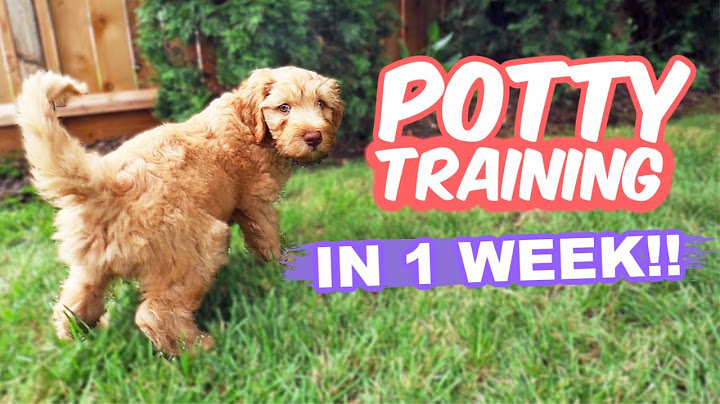
A seven-day promise confuses starting a routine with reliable learning. In one week, many owners can establish a potty place, identify useful cues, reduce some accidents and organize consistent rewards. The puppy may still need months of patient practice and physical maturation before independence is realistic. Judge the plan by whether successes are increasing and accidents becoming more predictable. If progress abruptly reverses, or urination is painful or unusually frequent, seek veterinary guidance rather than intensifying discipline.
Frequently asked questions
What is the first step in housebreaking a puppy?
Choose one toilet destination and begin taking the puppy there at predictable times while rewarding every successful trip.
Should I punish a puppy for peeing inside?
No. Punishment does not explain the correct place and can increase fear. Clean up and improve timing and supervision.
Can crate training help?
A properly introduced, humane crate or pen can help with supervision, but the puppy still needs frequent and comfortable potty access.
Related guides
For the next step, see puppy pads guide, pad-training steps, and puppy potty schedule.
Bottom line: Reliable habits grow through repetition and physical development, not a fixed deadline or punishment.