Puppy Potty Training Sprays: Uses and Evidence Limits
Understand puppy potty training sprays, label claims, scent sensitivities and why routine and rewards matter more.
Puppy Potty Training Sprays: Uses and Evidence Limits
Puppy potty training sprays are sold as location attractants, odor products or deterrents, and those categories should not be confused. An attractant aims to draw a dog toward a toilet target; a deterrent is marketed to discourage interest in a particular area. The label is not proof that either product will teach housetraining. A consistent spot, timely bathroom opportunities and immediate rewards remain the most useful foundations.
What potty training sprays claim
Look closely at what the bottle says it does. Some sprays claim to encourage a puppy to use a pad or outdoor spot, while others claim to discourage repeat urination on carpets. A stain-and-odor cleaner serves a different purpose again: removing residues from past accidents. Product descriptions often blend these ideas, so identify the exact intended job before buying. Do not apply an attractant wherever you want the puppy to avoid toileting or expect an odor remover to function as a training cue.
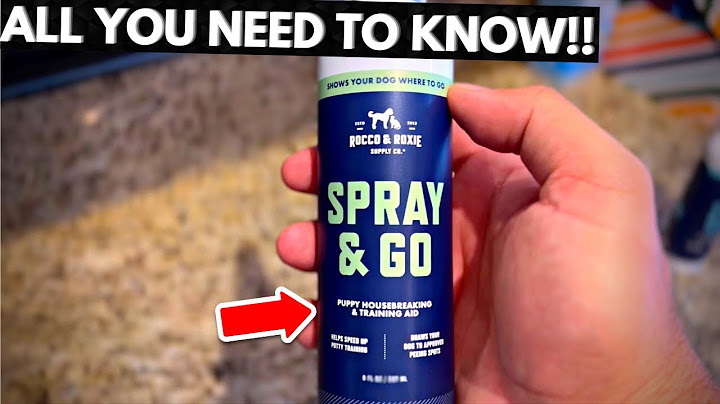
Attractant versus repellent products
An 'attractant' and a 'repellent' work toward opposite location goals, and neither term describes a standardized ingredient across brands. Check the current label for composition, surfaces, ventilation and animal contact warnings. Do not assume a puppy-safe statement on one item applies to the whole category. Some products use fragrance, and a dog can dislike the smell even when a seller calls it attractive. If a puppy avoids the sprayed spot or seems irritated, stop using that product and choose a simpler setup.
Evidence and individual variation
Published evidence for a general spray category is not sufficient to promise that spraying a patch of floor creates trained behavior. A product can coincide with improved accidents because the owner also began supervising and rewarding more consistently. Online anecdotes do not separate these effects. Evaluate claims about the exact spray and its finished formula, not a general statement about canine scent behavior. A modest trial may be reasonable under label instructions, but track actual use and be willing to discontinue an ineffective extra step.
How to follow product directions
If using a product, read the directions for appropriate target surfaces and the amount allowed; do not invent your own concentration or combine different brands. Keep the dog away until treated areas are ready for access under the label instructions. Spray only where the instructions permit, and avoid feeding, sleeping and high-contact areas unless specifically allowed. Use a clean pad in a stable location and reward correct elimination. Do not repeatedly drench fabric or turf in an attempt to force a response.
Risks of sprays around pets
Concentrated scent products, essential-oil mixtures and cleaning chemicals should not be treated as interchangeable. Keep containers away from puppies and do not let them lick freshly applied chemicals. A dog with coughing, drooling, skin irritation or unusual behavior after exposure needs veterinary advice. If the puppy drinks or chews the product container, contact a veterinarian or animal poison service promptly. Surface compatibility matters too: some ingredients can damage flooring even when they are marketed for household pet use.
Training techniques that do not rely on sprays
Before buying a spray, improve the training schedule and remove lingering urine odors with an appropriate cleaner. Place one plain pad where the puppy can find it; reward immediately after a successful trip. If the dog ignores the toilet location, investigate whether the texture is unfamiliar, the pad is dirty, or the animal gets there too late. A scented pad is another optional product category, not a necessary companion purchase. Good training can succeed without any attractant product at all.
Frequently asked questions
Does potty training spray guarantee results?
No. Product responses vary, and a spray cannot replace timely access, supervision and positive reinforcement.
Is puppy spray the same as an enzyme cleaner?
No. Cleaners remove residues; attractant or deterrent sprays aim to influence location choice. Use each only for its labeled purpose.
Can I make an attractant spray with essential oils?
Avoid improvised concentrated scents around pets. Use only appropriate products under label directions and ask a veterinarian about exposure concerns.
Related guides
For the next step, see puppy pads guide, attractant-scented puppy pads, and pad-training steps.
Bottom line: Buy a scent-based aid only as an optional addition to consistent reward-based training, not as a guaranteed shortcut.