When Should a Limping Dog See a Vet?
When Should a Limping Dog See a Vet. Discover practical facts, risks, and care considerations before you decide what to do next.
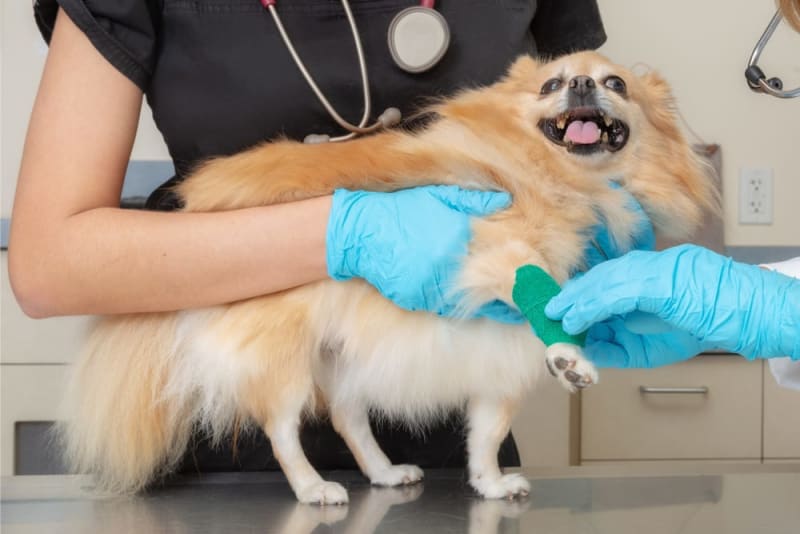
When Should a Limping Dog See a Vet?
A limp is a sign of pain, weakness, or impaired movement, not a diagnosis. Possible causes range from a torn nail or foreign body in the paw to joint injury, fracture, infection, or neurologic disease. How suddenly the limp began and whether the dog bears weight are important clues.
What the context tells you
Check the paw pads and nails only if the dog allows gentle handling. Swelling, heat, wounds, dragging a limb, trembling, or yelping suggests a more urgent issue. Dogs can still wag their tails while painful, so cheerful behavior does not rule out injury.
Practical steps and everyday care
Limit running, stairs, and jumping while arranging advice. Keep the dog on short leash walks for bathroom breaks and record a short video of the gait for the veterinarian. Do not force joint range of motion or give human painkillers such as ibuprofen or acetaminophen.
How to evaluate a change without jumping to conclusions
A change in a dog's behavior deserves a simple timeline: when it started, how often it occurs, what happened before it, and whether appetite, drinking, stool, walking, or energy changed at the same time. Pictures or a short video can be more helpful to a veterinary team than trying to assign a diagnosis from a single sign. Age, medications, recent travel, and exposures may also affect the interpretation. When symptoms are getting worse, don't delay care to finish collecting observations.
A real-world example
A dog that briefly favors a paw after walking on gravel may have a visible burr or minor irritation, but a dog that refuses all weight after a jump could have a serious injury. Both need gentle handling; the second needs urgent professional assessment. A video filmed before the dog rests can help document an intermittent limp that disappears in the clinic.
When to get veterinary advice
A non-weight-bearing limp, trauma, severe pain, or an ill-looking dog warrants prompt evaluation. Even mild limping that persists or recurs should be examined to prevent an untreated problem from worsening.
A quick decision checklist
Check the dog’s age, current medications, recent exposures, and overall condition.
Offer urgent signs and safe activity restriction; avoid self-diagnosis or giving human painkillers.
Record symptoms, timing, appetite, stool, activity, and any exposure that could help a veterinarian.
Seek qualified veterinary, extension, or species-specialist guidance before using medication or making major changes.
Frequently asked questions
Is this always an emergency?
Not every isolated behavior or mild sign requires emergency care. Sudden severe pain, collapse, trouble breathing, repeated unsuccessful vomiting, or rapid deterioration does. A veterinarian can help decide how quickly an otherwise stable dog should be examined.
What information is useful at a veterinary appointment?
Bring a timeline, photographs or video if possible, a list of medications and foods, and details of any exposures. Those facts can help the veterinarian interpret signs in context.
Related reading
Reliable resources for further checking
Editorial status: draft. Check current professional guidance and local rules before publication; urgent symptoms require appropriate veterinary help.
