What Was the Redline Energy Drink?
See what Redline Energy Drink was, why current availability can be confusing and how to interpret historical caffeine labels.
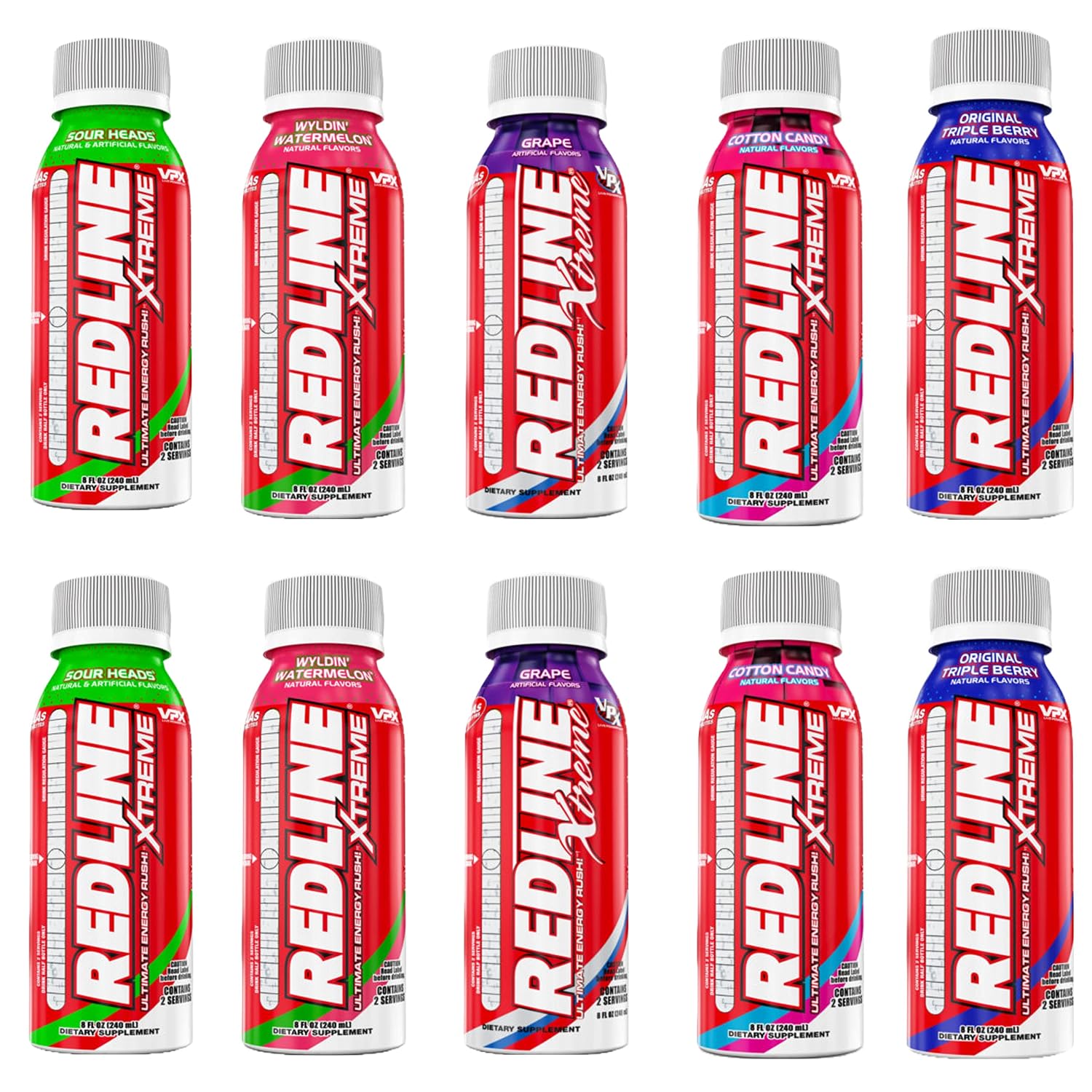
Redline Energy Drink is a name people may remember from older highly caffeinated beverage products. Current searches can be confusing because archived brand pages, collectible packaging, retail listings, and third-party summaries do not all describe the same product or the same moment in time. BevNET's brand database lists the VPX Sports Redline brand as discontinued. This article explains what the name referred to and how to interpret historical caffeine information without recommending an old formula or claiming that a currently sold bottle is identical.
What the Redline name referred to
Redline was associated with an energy beverage line marketed by VPX Sports, with packaging and promotional language emphasizing stimulation and performance. Product names and flavors varied over time. Historical marketing descriptions often list a combination of caffeine and other ingredients, but those descriptions should be attributed to their period rather than treated as a complete modern ingredient statement. Unlike ordinary bottled water or coffee, highly caffeinated products can contain several active compounds. A product's old advertising language is not independent evidence of its effectiveness or safety for an individual.
What "discontinued" actually establishes
A beverage-industry brand database identifies Redline as discontinued and notes that the brand is no longer on the market. That is useful evidence about the historical brand, but it does not establish what every online seller is displaying today. Old shopping pages can remain searchable for years, and collectors may resell packaging. Never infer freshness, authenticity, legal availability, or drinkability from a web listing alone. This article does not offer places to buy it, rank sellers, or claim that an apparently available product is approved for consumption.
Why one old label cannot represent every formula
Ingredient panels and serving directions can change between product names, sizes, reformulations, and markets. A photographed can is evidence only about the package shown, not about every beverage ever sold under the Redline name. Check the exact product identity, manufacturer information, serving size, batch context if available, and date of the label before quoting an amount. If those details are missing, do not invent a precise caffeine figure or list ingredients as if they apply universally. The same caution applies to blog reviews that reproduce old product advertising without a date.
Understanding caffeine units and serving amounts
Caffeine is commonly expressed in milligrams (mg), but a figure can apply per serving or per container. A small bottle holding multiple servings can produce a misleading comparison if someone reads only the number next to one serving. The US Food and Drug Administration has cited about 400 mg per day as an amount not generally linked to negative effects for most adults, while also emphasizing large differences in sensitivity, health conditions, and medication interactions. That benchmark is not a recommendation to consume that amount or a guarantee that a specific energy beverage is safe.
Why a highly caffeinated legacy product needs caution
Combining caffeinated drinks, coffee, pre-workout products, and other stimulants can produce a much higher total intake than any single label suggests. People who are pregnant, taking certain medicines, or sensitive to caffeine may need special guidance. For children and teens, energy drinks are not an appropriate product category to promote. Symptoms such as rapid heartbeat, marked anxiety, vomiting, or chest pain following heavy stimulant exposure call for prompt medical advice. An archived review is particularly poor guidance for deciding whether to consume an unfamiliar old product.
How to research older beverage brands responsibly
Separate four questions: Was the brand once sold? Which product and formula does the evidence describe? Is the current listing authentic and recent? Does a qualified source support any safety claim? A former manufacturer description may help with the first question, while dated labels inform the second. The latter two require more than a cached shopping page. This historical overview intentionally avoids purchase links, unverified current inventory, and personal testimonials. For active energy-drink products, compare current package information rather than recycling a Redline-era formulation.
Quick checklist
Redline is listed as discontinued in a beverage-industry brand database.
Historical formulations and label claims cannot be treated as current specifications.
Caffeine amounts must be interpreted per actual serving and total intake.
Continue exploring
For a related question, see types of beverages; and sugar-free Monster label comparisons.