How to Read Sugar-Free Monster Energy Drink Labels
Compare zero-sugar Monster product lines and understand why caffeine and serving-size figures should be checked on each US label.
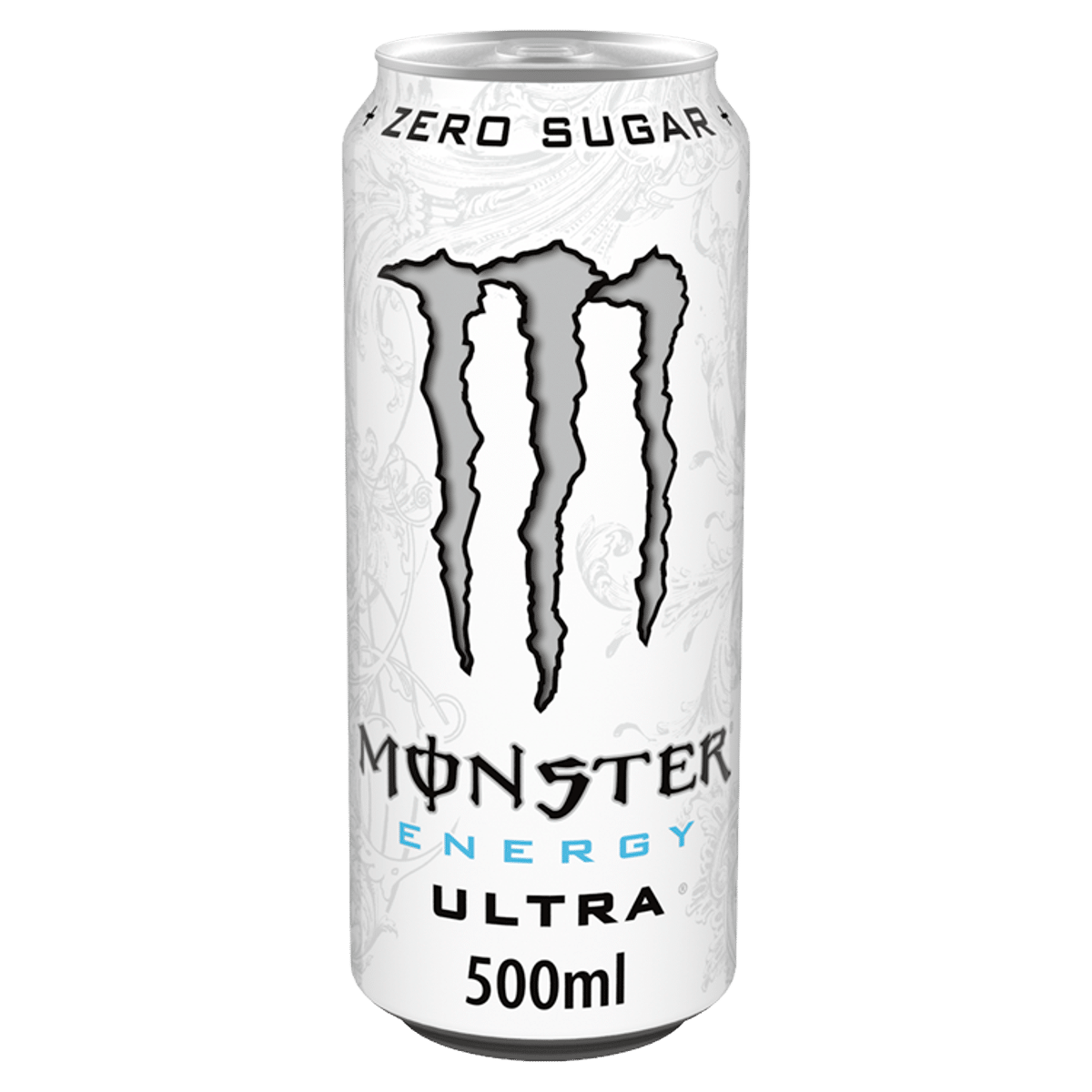
Sugar-free Monster Energy drinks are not one fixed recipe in one fixed can size. The brand has used different lines and names, including Monster Ultra and products labeled Zero Sugar, and formulations can change by market or over time. That makes a label-reading guide more useful than a single caffeine number copied from a search result. The essential questions are which product you have, how large the container is, what the package reports about sugars and caffeine, and whether caffeine is suitable for you.
Zero Sugar and Ultra are names, not a full ingredient list
A product marketed as zero sugar may still contain caffeine, flavorings, acids, sweeteners, and other ingredients. The phrase does not mean caffeine-free, calorie-free, or medically recommended. Monster Ultra is a family with multiple flavors, and a different package labeled Zero Sugar may not use the same ingredients or caffeine level. If two cans have similar colors or marketing copy, check their complete product names and package panels. Images on online stores may be outdated or show labels intended for another country.
The serving size comes first
US Nutrition Facts panels show serving size and, where relevant, servings per container. Compare caffeine information for the entire amount you expect to drink. Some online summaries show milligrams per can; others quote per serving. Those are different numbers when a container has multiple servings. Do not multiply or divide without reading the label. Can size also affects how much drink is consumed, but it is not sufficient to calculate caffeine: two similarly sized energy drinks may use different formulations. The correct figure is the amount stated for that specific product and market.
Zero sugar does not settle the nutrition question
Read total sugars and added sugars alongside the ingredients list. Nonnutritive sweeteners can produce a sweet taste without the same sugar content as conventional syrup, but personal preferences and tolerances differ. Zero added sugar does not make a drink a meal replacement or a source of needed nutrition. Likewise, products marketed for energy should not be treated as hydration solutions for every situation. If you are comparing low-carbohydrate options, total carbohydrate is a different field from caffeine, and both deserve their own check.
Why caffeine advice must be individualized
The FDA notes that caffeine sensitivity varies with factors such as body size, medications, and some medical conditions. It has cited about 400 mg per day as a level not generally associated with negative effects for most adults, not as a universal target or an endorsement of energy drinks. Coffee, tea, supplements, and other beverages can add to the same day's intake. Children and teens should not be encouraged to use energy drinks. Anyone with a condition or medication that may interact with stimulants should consult an appropriate clinician.
Read the ingredient list with context
Caffeine may be part of a more complex ingredient list. Names such as taurine, B vitamins, or botanical extracts do not independently prove that a product improves focus, athletic performance, or health outcomes. The important distinction is between what the ingredient panel confirms and what promotional wording suggests. If a claim appears only in a blog or an old screenshot, consider it unverified. For someone managing allergies or ingredient restrictions, the actual packaging and relevant manufacturer information take priority over a generalized list published elsewhere.
A practical comparison table you can make yourself
Write down product name, region, package size, servings, stated caffeine amount, total sugars, added sugars, and any ingredient you specifically need to monitor. Record the date on which you checked the package. Then compare products using equivalent container amounts and your own relevant criteria. This is particularly important for flavors whose labels have changed. The separate Redline article discusses how to research a discontinued legacy brand; do not use its historical information to infer Monster's current formula.
Quick checklist
Confirm the exact product and country before comparing energy-drink labels.
Zero sugar does not mean zero caffeine or universal suitability.
Use the stated caffeine amount for the actual quantity consumed.
Continue exploring
For a related question, see types of beverages; and the history of Redline Energy Drink.